-
New York, NY
 HI 58° LO 56°
 HI 58° LO 56°
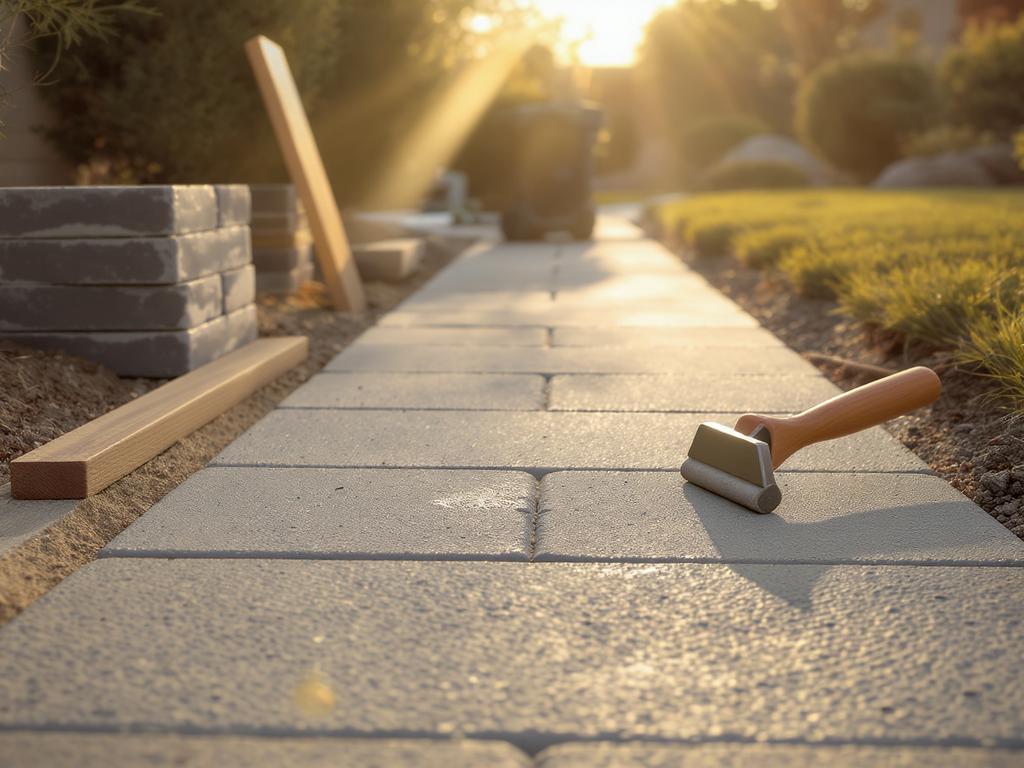
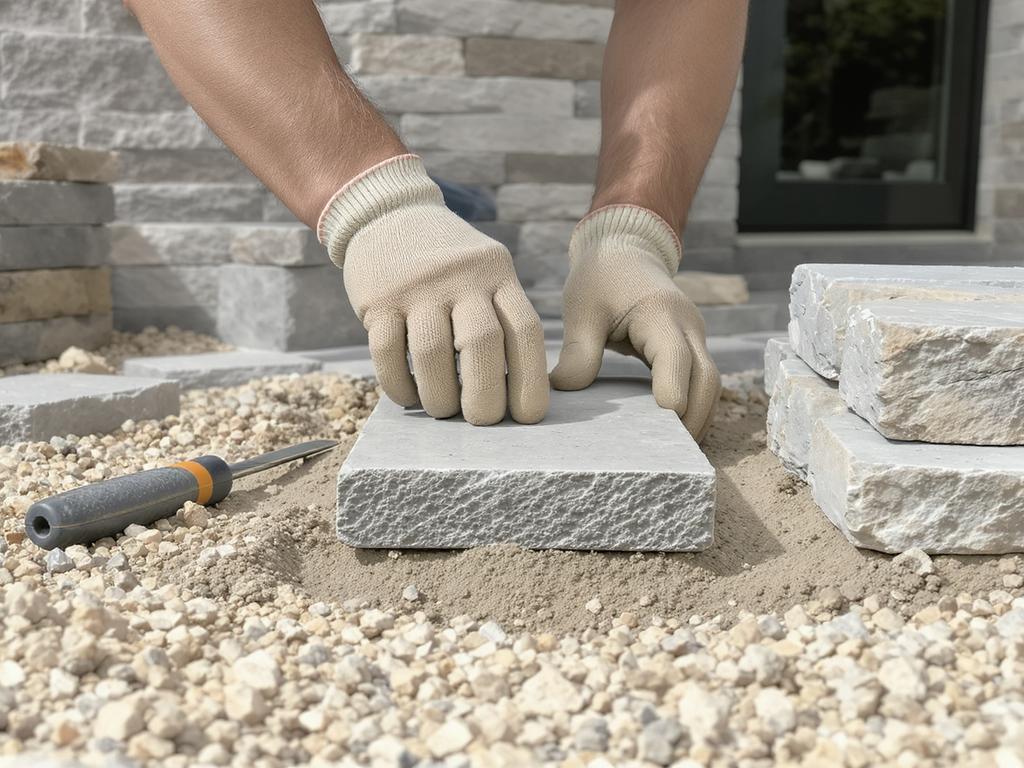
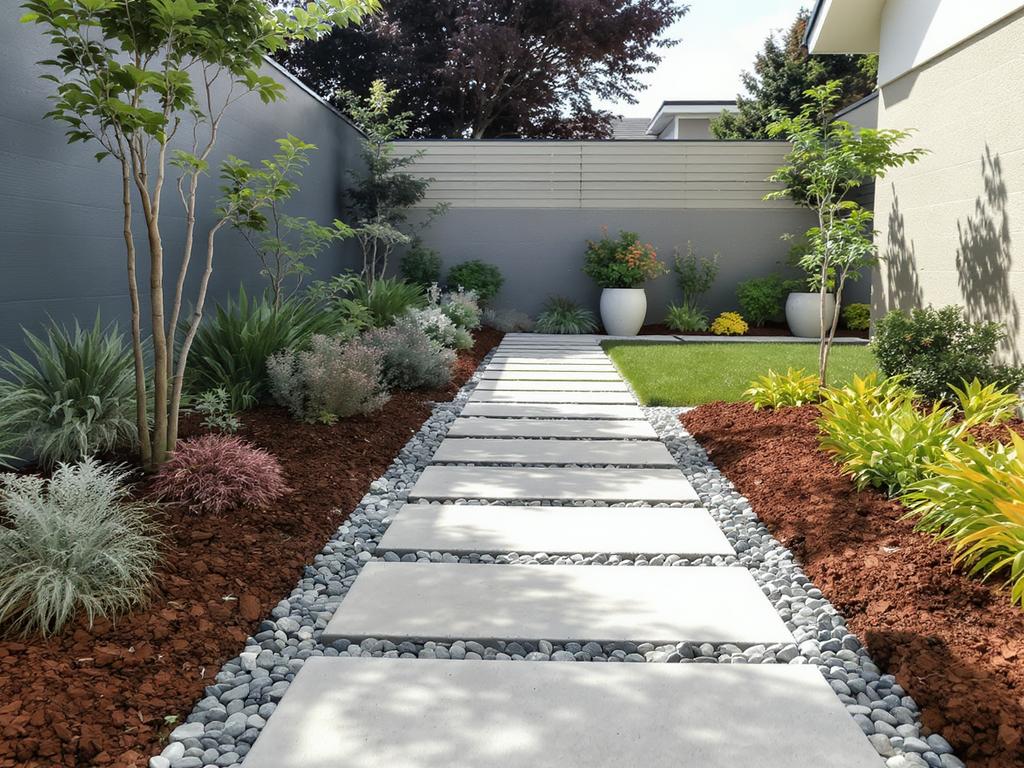
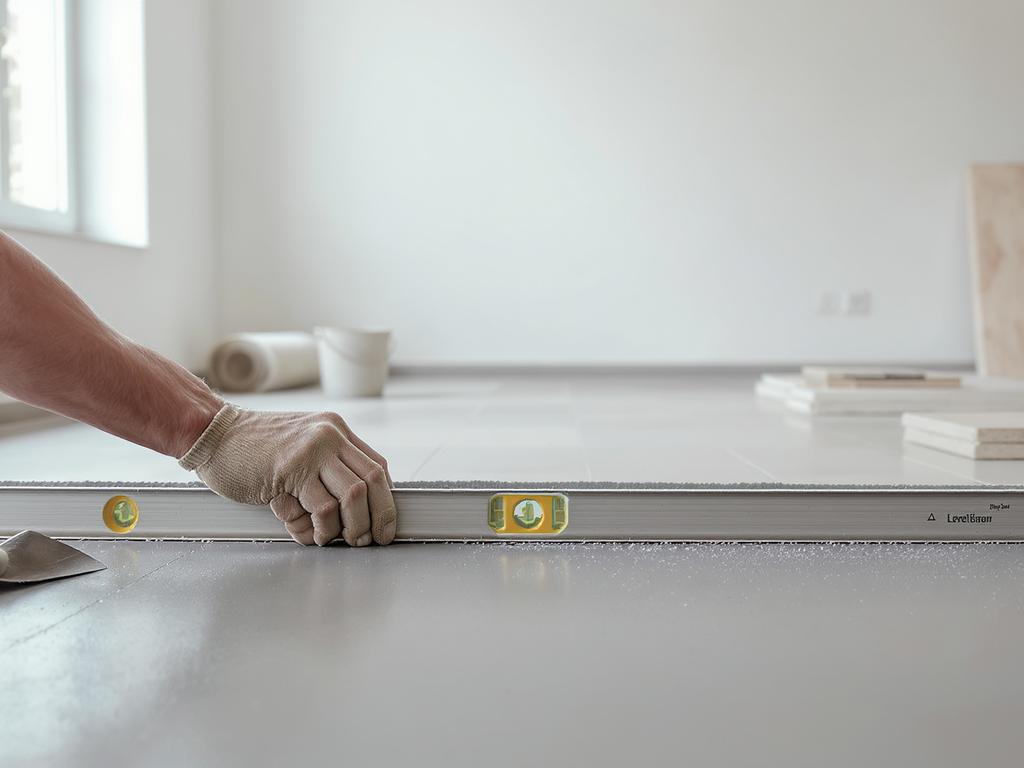
Well-built paths and sidewalks make a site safer, cleaner, and easier to maintain, but durability depends on the technology used under the surface. Start with planning: define pedestrian routes, widths (typically 80–120 cm for main paths), slopes, and connection points to entrances, terraces, and utility areas. Mark the layout with stakes and string, then excavate to the required depth—usually 20–35 cm depending on soil type and expected load. The key stage is the base. On weak or heaving soils, install geotextile to separate layers and reduce mixing. Create a drainage layer of crushed stone (10–20 cm), compacting in thin lifts with a plate compactor. Add a bedding layer: compacted sand or a sand-cement mix (3–5 cm) for pavers; for monolithic sidewalks use formwork and a reinforced concrete slab with expansion joints. Edging is a must: curbs, concrete borders, or hidden restraints prevent spreading and keep joints stable. Choose the surface material based on style and function: concrete pavers for easy repair, natural stone for premium looks, clinker for high wear resistance, or gravel for budget paths (best with stabilizing grids). Lay elements from a fixed reference line, keep consistent joint spacing, and check levels frequently. Fill joints with polymeric sand or fine sand, then compact again to lock the pattern. Finally, ensure water runoff: maintain a 1–2% cross slope and avoid low spots. With correct layering, compaction, and drainage, paths stay even, frost-resistant, and attractive for years.
This was a really helpful breakdown of what actually makes a garden path hold up over time, especially the part about getting the base and drainage right. I liked the practical details like the 20–35 cm excavation depth and using geotextile on heaving soils. Only thing I wished for was a quick note on common mistakes (like overwatering the sand or skipping edge restraints) and how to spot them early. Overall, solid and easy to follow.
This was a really helpful walkthrough, especially the reminders about excavating deep enough and not skipping the geotextile on sketchy soil. I also appreciated the practical numbers (20–35 cm base depth and 1–2% slope) since that’s always the part I second-guess. Only thing I’d add is a quick note on when to use sand vs. sand-cement for pavers in wetter climates, but overall it’s solid advice.