-
New York, NY
 HI 58° LO 56°
 HI 58° LO 56°

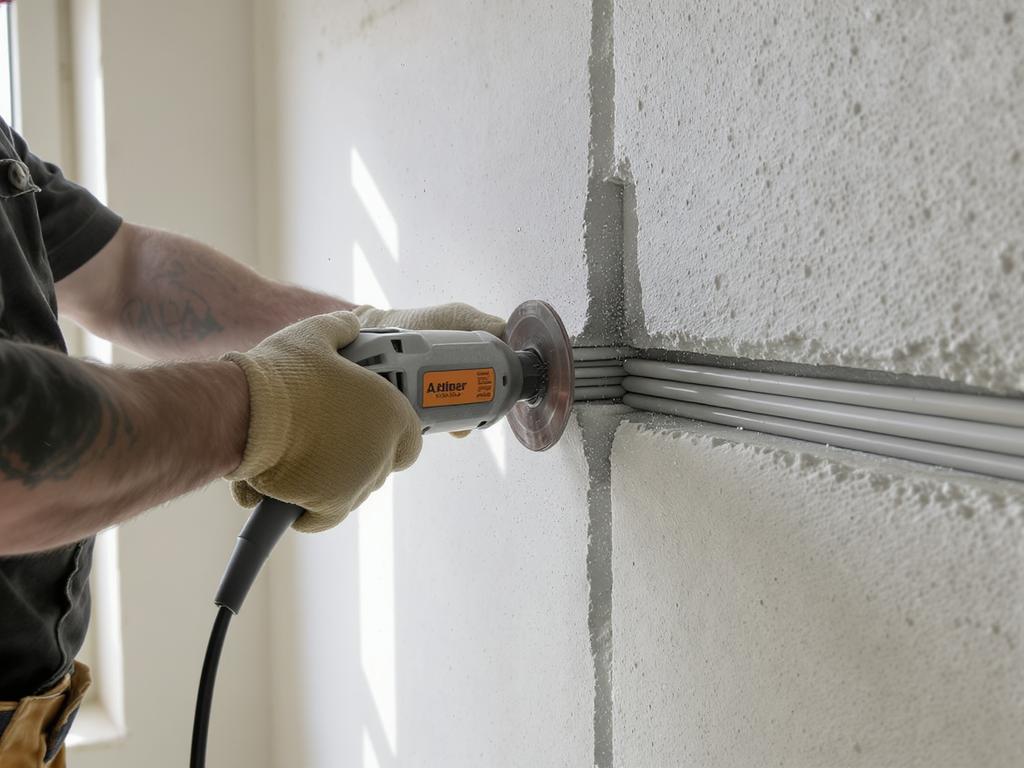
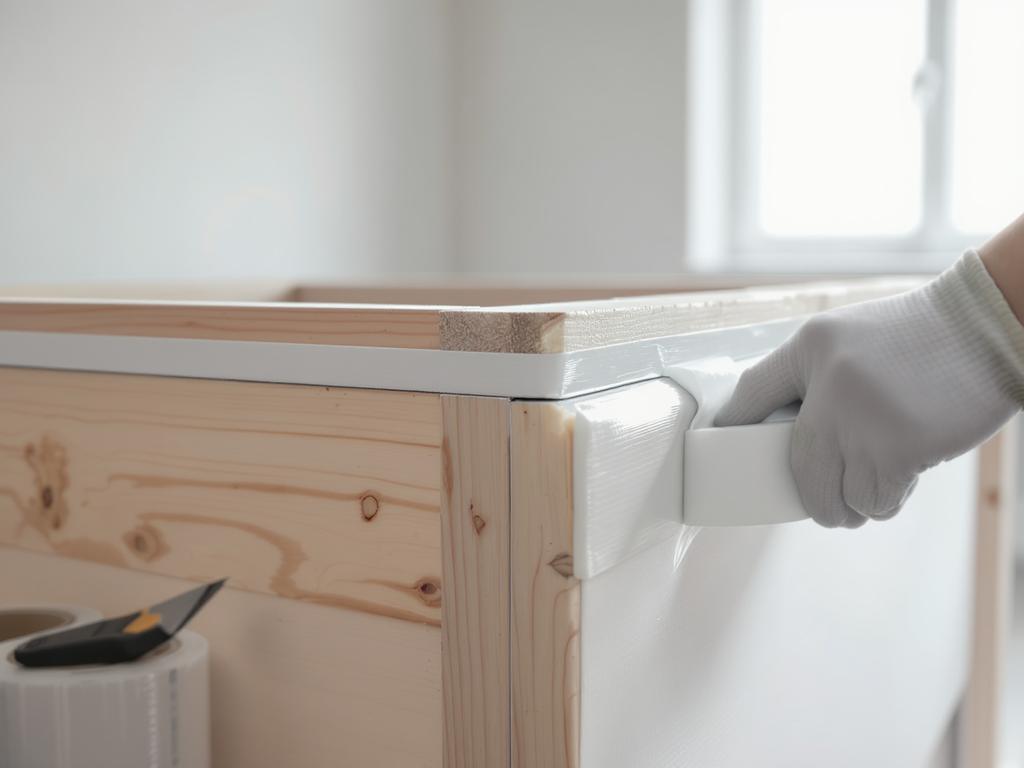
Renovation doesn’t have to drain your budget if you know where savings are real and where they become expensive mistakes. Start with a clear plan: define priorities, set a realistic budget with a 10–15% contingency, and lock the scope before you shop. The fastest way to overspend is changing decisions mid-project. Keep the layout whenever possible. Moving plumbing, gas lines, or load-bearing elements can multiply costs, so focus on upgrades that deliver impact: lighting, paint, hardware, and well-chosen finishes. In kitchens and bathrooms, invest in what you touch daily—faucets, hinges, drawers, and waterproofing. Cutting corners on prep work (surface leveling, priming, moisture protection) often leads to cracks, mold, and rework. Compare at least 3 contractor quotes and request itemized estimates. Check what is included: debris removal, materials, warranties, and timelines. Ask for alternatives that reduce cost, such as standard tile sizes, fewer seams, or simpler profiles. Buy materials during seasonal sales, consider last-chance batches, and mix premium items with budget-friendly ones—use a statement tile on one wall and affordable neutral tiles elsewhere. DIY strategically. Demolition, painting, simple trim, and hardware swaps are beginner-friendly; electrical and plumbing are best left to licensed pros. Refinish instead of replace: cabinet repainting, countertop overlay options, and floor sanding can look high-end for less. Finally, schedule deliveries and storage to prevent damage, and keep a checklist to avoid overbuying. Smart planning + smart material choices = quality renovation on a budget.
Really practical guide with a lot of the same lessons I learned the hard way—especially about locking the scope before you start shopping. The emphasis on keeping the layout and spending on the stuff you touch daily (hardware, waterproofing) feels spot on. I would’ve liked a quick example budget breakdown for a kitchen or bath, but overall the tips are clear and actually usable.
Really solid, practical rundown of where to save and where not to cut corners. The reminder about locking the scope and budgeting a contingency hit home—I've definitely watched a project get expensive from mid-stream changes. I would’ve liked a little more detail on how to vet contractors beyond just comparing three quotes, but overall this was a helpful guide.