-
New York, NY
 HI 58° LO 56°
 HI 58° LO 56°
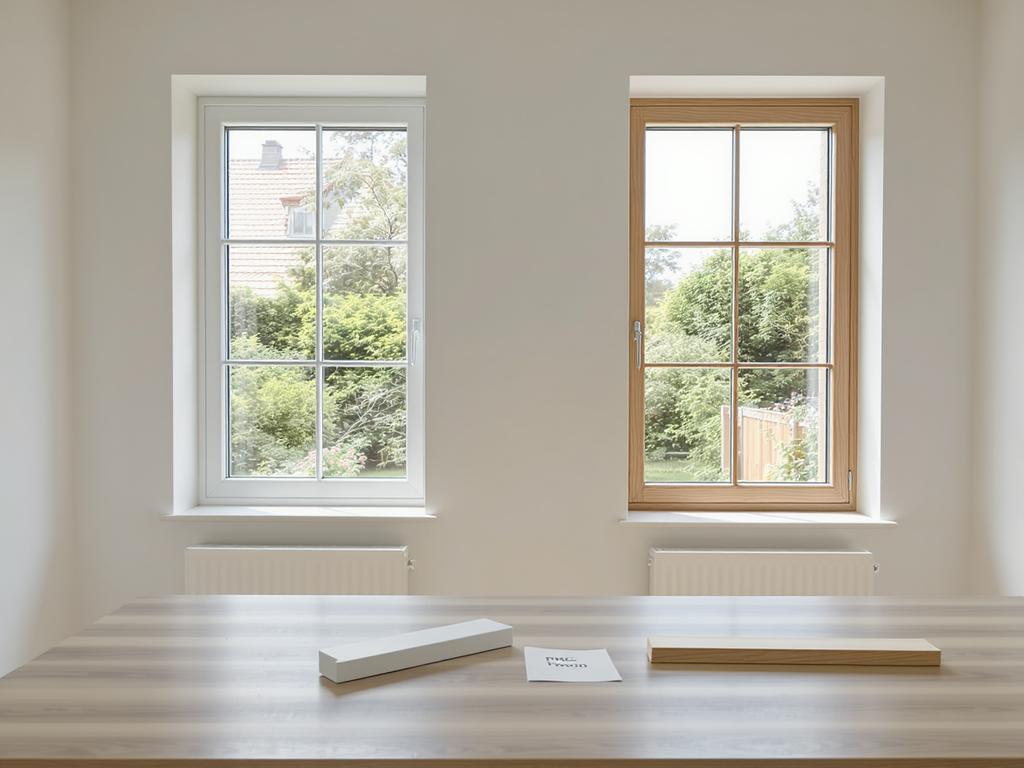
Choosing windows is not only about style—it affects comfort, energy bills, and long‑term maintenance. The most common options for residential projects are plastic (uPVC) and wooden frames. Each has clear advantages and disadvantages, so the best choice depends on priorities, climate, and budget. Plastic (uPVC) windows are valued for practicality. They offer strong thermal insulation when paired with modern multi‑chamber profiles and double or triple glazing, helping reduce heat loss in winter and overheating in summer. uPVC is resistant to moisture, does not rot, and typically requires minimal care—simple cleaning is enough. Another benefit is price: plastic frames are usually more affordable and widely available, with consistent factory quality. However, uPVC has drawbacks. Cheaper profiles may yellow over time, and low‑quality hardware can lead to sagging or poor sealing. Repairability is limited: deep scratches or деformations are difficult to restore. Some homeowners also dislike the “plastic” look, especially in classic interiors, and environmental concerns are often raised due to material production and recycling complexity. Wooden windows are chosen for natural aesthetics and a premium feel. Quality timber frames can last for decades, provide excellent insulation, and create a warm, authentic appearance that fits both traditional and modern architecture. Wood is renewable, and many consider it the more eco‑friendly option when sourced responsibly. The disadvantages are mainly maintenance and cost. Wood requires regular protection: painting or varnishing, sealing checks, and careful care in влажные climates. Without proper upkeep, timber can swell, crack, or rot. Initial costs are typically higher, and lead times may be longer. In summary: choose uPVC for low maintenance and value, and choose wood for натуральный дизайн and long‑term premium character—provided you are ready to maintain it.
This was a helpful, even-handed breakdown of uPVC vs wood without trying to push one option. I liked that it called out real-world stuff like yellowing on cheaper plastic frames and the ongoing maintenance needs for wood in humid climates. The summary at the end made it easy to decide based on budget and how much upkeep you’re willing to do.
This was a helpful, balanced breakdown of uPVC vs wood windows and it answered most of the questions I had about insulation and maintenance. I liked that it called out the real-world issues like yellowing on cheaper plastic frames and the upkeep wood needs in humid climates. Only knock is the mix of English with a few Russian words threw me off a bit, but the overall advice was still clear.