-
New York, NY
 HI 58° LO 56°
 HI 58° LO 56°

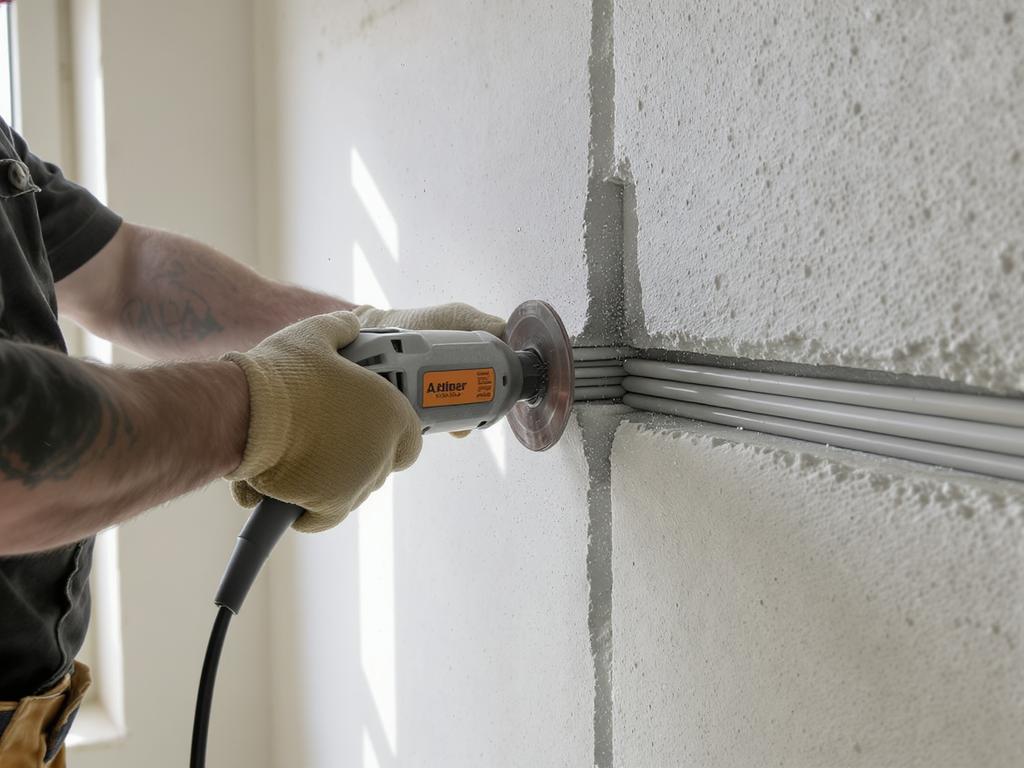
Planning a home electrical system is not only about adding more outlets—it is about reducing fire risk, preventing shocks, and ensuring every room has reliable power and lighting. Start by listing all expected loads: kitchen appliances, HVAC, water heaters, EV chargers, workshop tools, and any future upgrades. Convert wattage to amperage and create a realistic demand plan so the service size and main panel capacity are appropriate. Next, divide the home into clear electrical zones. High-demand equipment should be placed on dedicated circuits, while general outlets and lighting are split into multiple circuits to avoid overloading and to keep essential areas running if a breaker trips. Choose the right breaker types and add modern protection: GFCI for wet locations (bathrooms, kitchens, laundry, outdoor) and AFCI where required to reduce arc-fault fire hazards. Include surge protection at the panel and consider point-of-use protection for sensitive electronics. A safe plan also depends on grounding and bonding. Ensure the grounding electrode system is correct and that all metallic systems are properly bonded to minimize shock hazards. For lighting, map fixtures, switches, and pathways, aiming for balanced ambient light plus task lighting in kitchens, desks, and utility areas. Pre-wire for data, smoke/CO alarms, and smart controls, but keep low-voltage runs separated from power wiring. Finally, document every circuit, label the panel clearly, and leave space for expansion. A well-planned electrical system improves safety, simplifies maintenance, and supports modern living for years.
This was a really solid overview and it made me rethink our "just add another outlet" approach. I liked the practical reminders about dedicated circuits, labeling the panel, and leaving room for future upgrades like an EV charger. The section on grounding/bonding and surge protection was helpful, though I would’ve appreciated a quick example demand calculation to make the sizing part feel less abstract.
This was a really solid overview and it actually helped me think through our remodel in a more organized way, especially the part about zoning and dedicated circuits for big loads. I also appreciated the reminders on GFCI/AFCI and surge protection since those are easy to gloss over when you’re focused on outlets and lights. Would’ve loved a quick example load calculation or panel size scenario, but overall it’s practical and safety-focused.