-
New York, NY
 HI 58° LO 56°
 HI 58° LO 56°
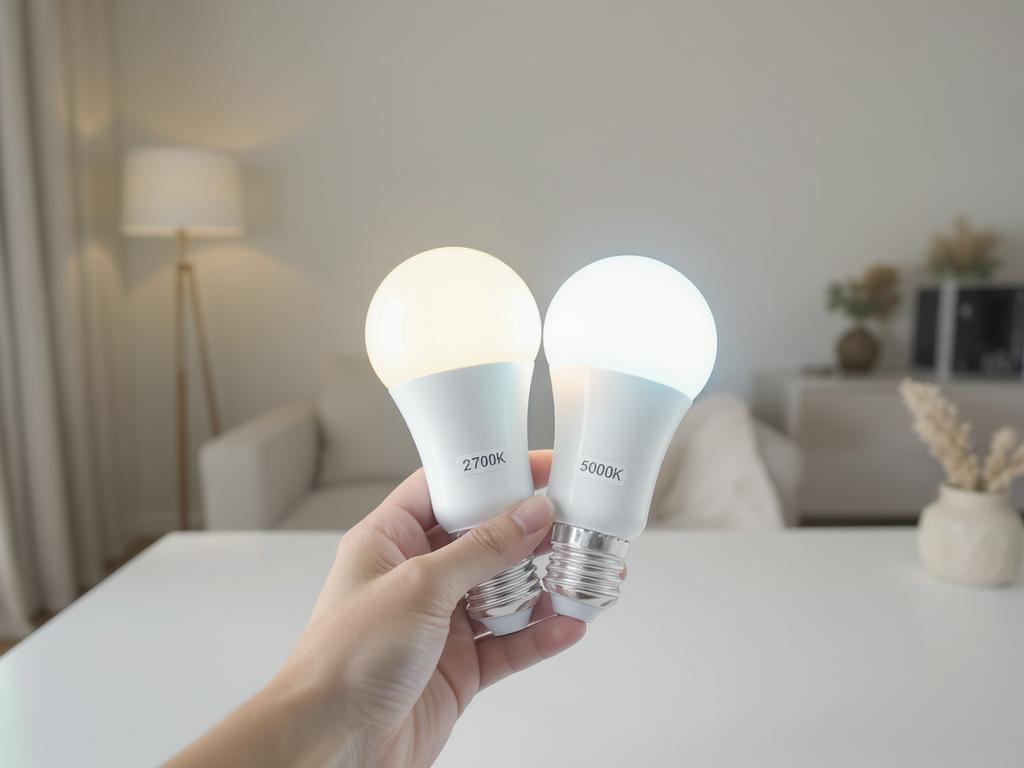
Choosing LED light bulbs is easier when you focus on a few key specs that affect comfort, appearance, and energy use. Start with brightness, measured in lumens (not watts). For general lighting, many rooms feel good around 800–1100 lm per bulb, while task areas may need more. Next, pick the right color temperature in Kelvin: 2700–3000K is warm and cozy for living rooms and bedrooms; 3500–4000K is neutral and practical for kitchens and hallways; 5000–6500K is cool daylight for garages, workshops, or detailed tasks. Color quality matters too. Look for a high CRI (Color Rendering Index): CRI 80 is acceptable, but CRI 90+ makes skin tones, food, and décor look more natural—especially important in bathrooms and kitchens. Check the bulb base and shape (E26/E27, E14, GU10, etc.) to ensure it fits your fixture, and confirm whether you need directional light (spots) or omnidirectional light (classic A-shape). If you use dimmers, choose bulbs labeled “dimmable” and verify compatibility with your dimmer model to avoid flicker or buzzing. Also consider beam angle, especially for recessed lights, and pay attention to lifespan and warranty rather than “equivalent watts” alone. Finally, match lighting to each room: warm, soft light for relaxing spaces; brighter, neutral light for cooking and cleaning; and focused, high-CRI light where precision matters.
This was a really practical breakdown of LED bulbs without getting too technical. The lumens and Kelvin ranges helped me finally understand why my kitchen felt "off" with the warm bulbs I had in there. I also appreciated the CRI callout since that’s something most guides skip, although it would’ve been nice to see a quick example chart of common bulb types (A19 vs BR30) for recessed cans. Overall, solid advice I’ll actually use next time I’m shopping.
This was a really helpful breakdown, especially the part about lumens vs watts and what Kelvin ranges actually feel like in different rooms. I didn’t realize CRI 90+ makes that much difference until I swapped bulbs in our bathroom, so I’m glad you called that out. Would’ve loved a quick example list of common bulb shapes/bases (like which ones are typical for recessed cans), but overall it’s clear and practical.