
-
New York, NY
 HI 58° LO 56°
 HI 58° LO 56°
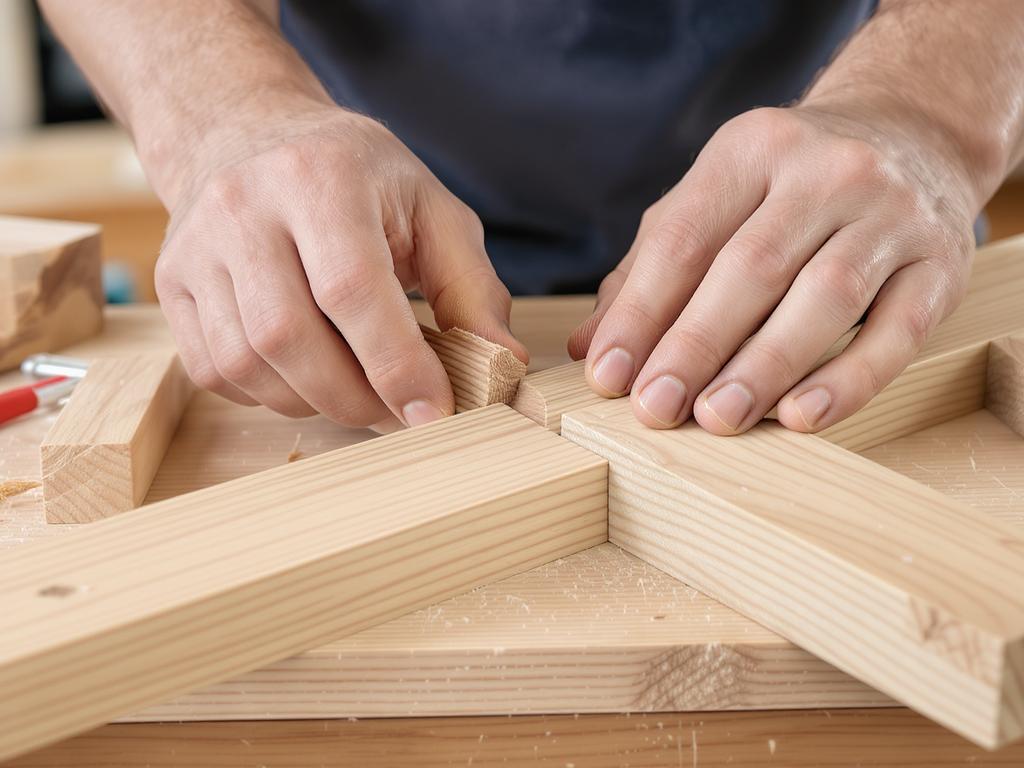
Neat joints are the hallmark of quality carpentry and joinery. The secret isn’t one “magic” joint—it’s accuracy from layout to final clean-up. Start with square stock: joint one face, plane to thickness, and rip with a straight reference edge. If boards aren’t flat and consistent, even perfect cuts won’t close gaps. Next, measure with purpose and mark with precision. Use a marking knife for shoulder lines, a marking gauge for parallel lines, and a reliable square for 90° checks. Work from a single reference face and edge, and mark an “X” on waste areas to avoid cutting on the wrong side of the line. Choose the right joint for the job. For frames and load-bearing parts, mortise-and-tenon is hard to beat. For drawers, dovetails or box joints provide strength and clean geometry. For panels and carcase assembly, dowels, biscuits, or loose tenons can speed alignment—just keep spacing consistent and drill with a jig when possible. Cut slightly proud and fit to the line. Saw carefully, then pare with sharp chisels and test-fit often. Aim for a joint that seats with hand pressure; forcing it usually bruises fibers and opens gaps later. During glue-up, use the minimum glue needed for full coverage, clamp evenly, and check for square before the glue grabs. Clean squeeze-out with a damp cloth or wait until it gels and pare it off. Finally, plane or sand flush, break sharp edges, and finish consistently. With disciplined layout and sharp tools, your joints will look “Fontana-level” clean every time.