-
New York, NY
 HI 58° LO 56°
 HI 58° LO 56°
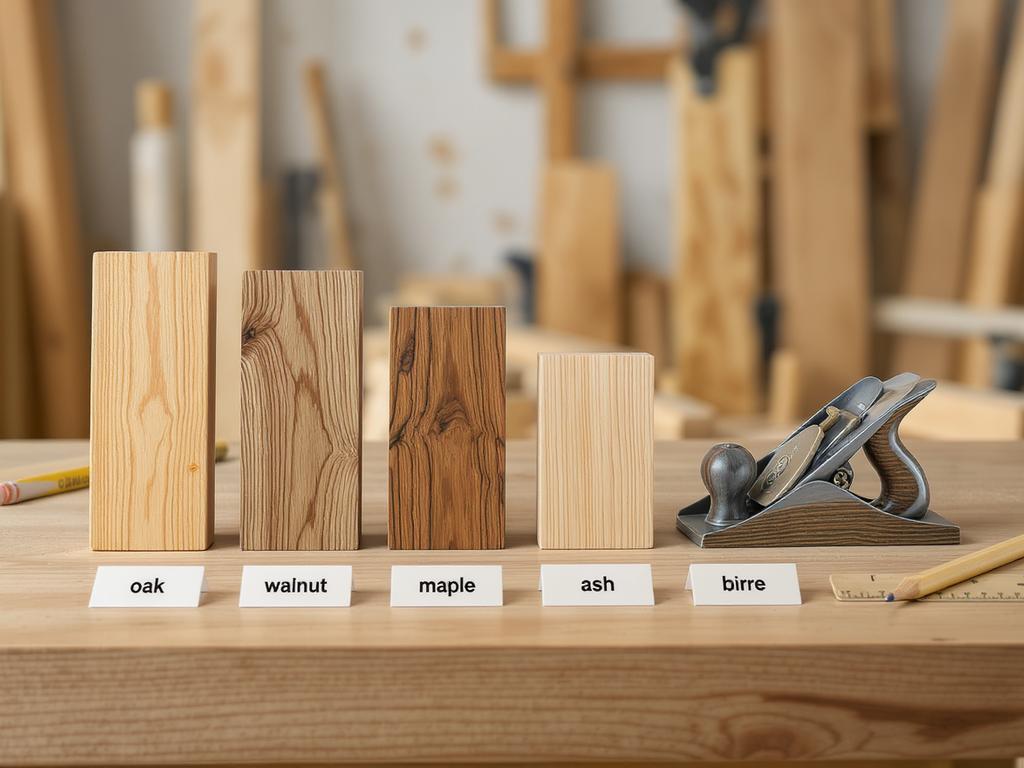
Choosing the right wood is the foundation of durable furniture and high-quality interior finishing. In carpentry & joinery, the “best” species depends on stability, hardness, grain, appearance, and how the piece will be used. For premium furniture, hardwoods lead the list. Oak is a classic: strong, wear-resistant, and suitable for tables, cabinets, stairs, and flooring. Walnut offers rich color and elegant grain, making it ideal for statement pieces and veneers, though it’s more expensive. Maple is dense and smooth, great for modern furniture, worktops, and painted finishes; it resists dents well. Ash combines strength with a lighter look and pronounced grain, commonly used for frames, chairs, and doors. For interior trim and cabinetry, beech and birch are practical choices. Beech machines cleanly and is popular for components, drawer sides, and panels, but needs controlled humidity. Birch is budget-friendly, stable, and often used in plywood for built-ins. For high-moisture areas, choose naturally durable woods. Teak and iroko perform well in bathrooms and kitchens thanks to their oils and rot resistance. Softwoods like pine and spruce are excellent for cost-effective projects, wall cladding, and rustic furniture, but they dent more easily—use protective finishes and thoughtful design. Always consider moisture content, straight grain, and proper acclimation before installation to prevent warping and joint failure.
This was a really helpful rundown of wood species without getting too technical. I liked that it called out real-world use cases (like teak/iroko for bathrooms and kitchens) and reminded you about acclimation and moisture content, which is where a lot of DIY projects go wrong. Would’ve loved a quick note on how these woods take stain vs paint, but overall it’s a solid guide I’ll reference again.
This guide helped me narrow down what to use for a built-in and a dining table top without getting overwhelmed. The quick breakdown of oak vs. walnut vs. maple felt spot-on, and I appreciated the reminder about acclimation and moisture content since that’s where projects usually go sideways. I would’ve liked a little more detail on finishing options for pine to help with denting, but overall it’s a solid, practical rundown.