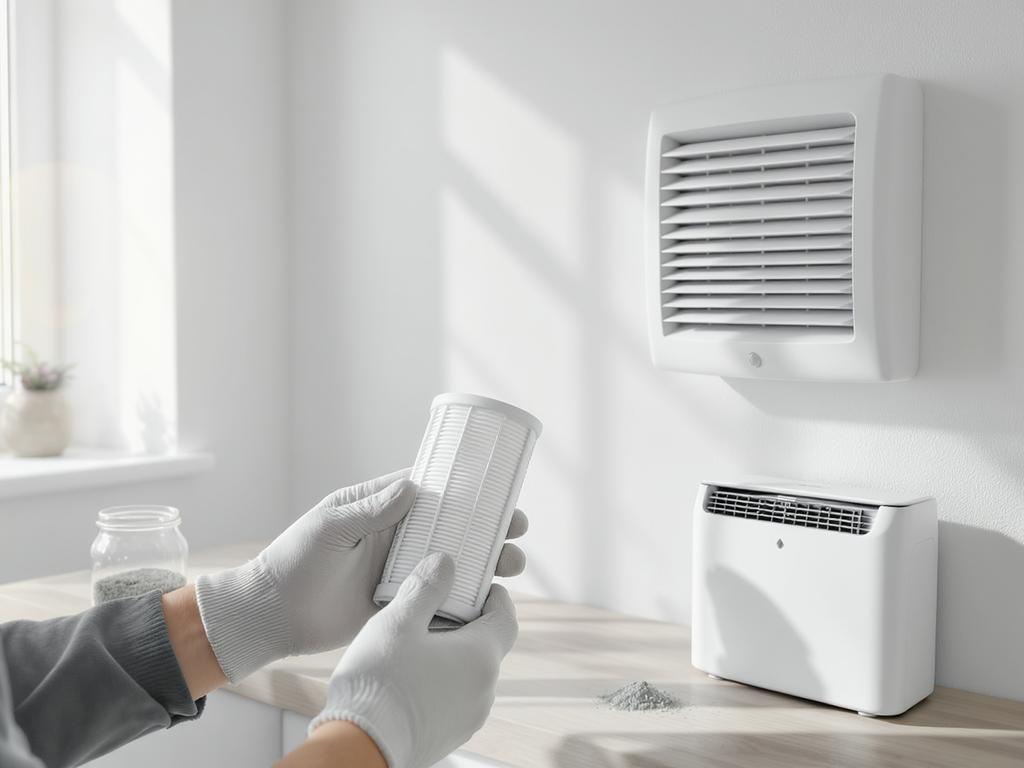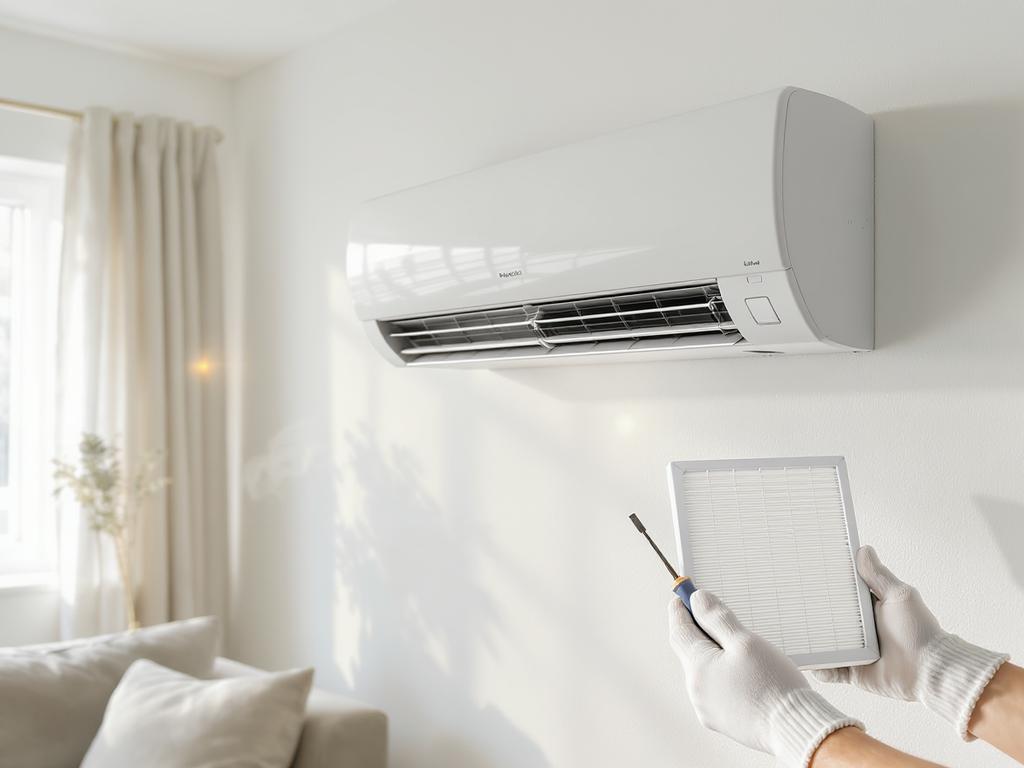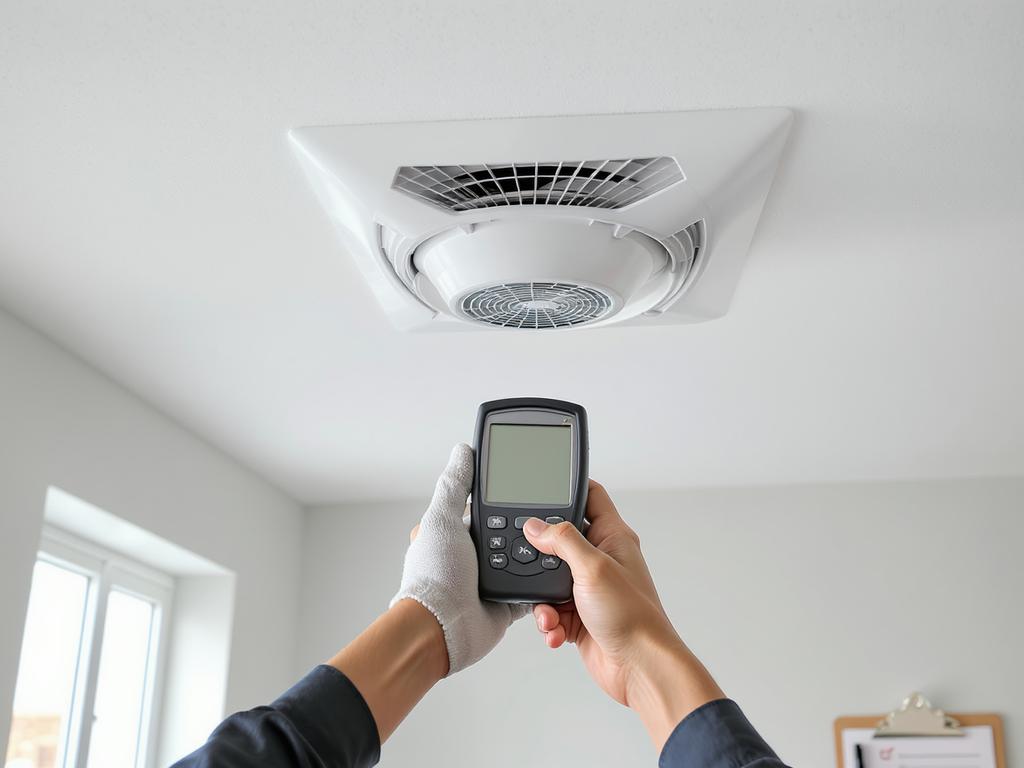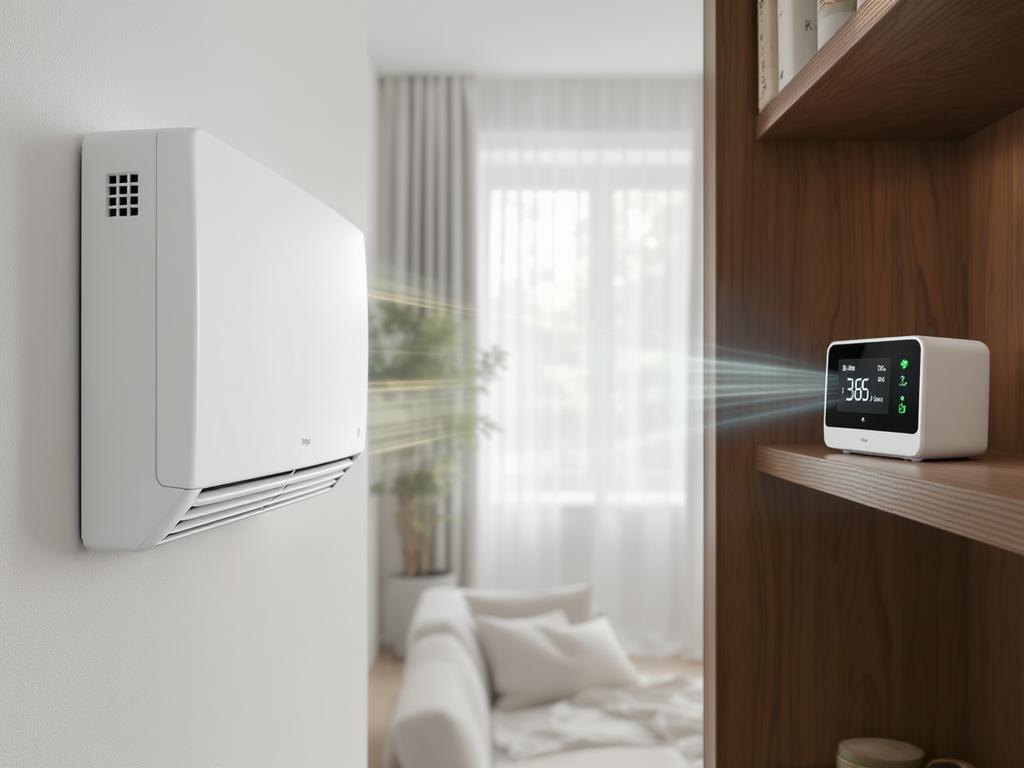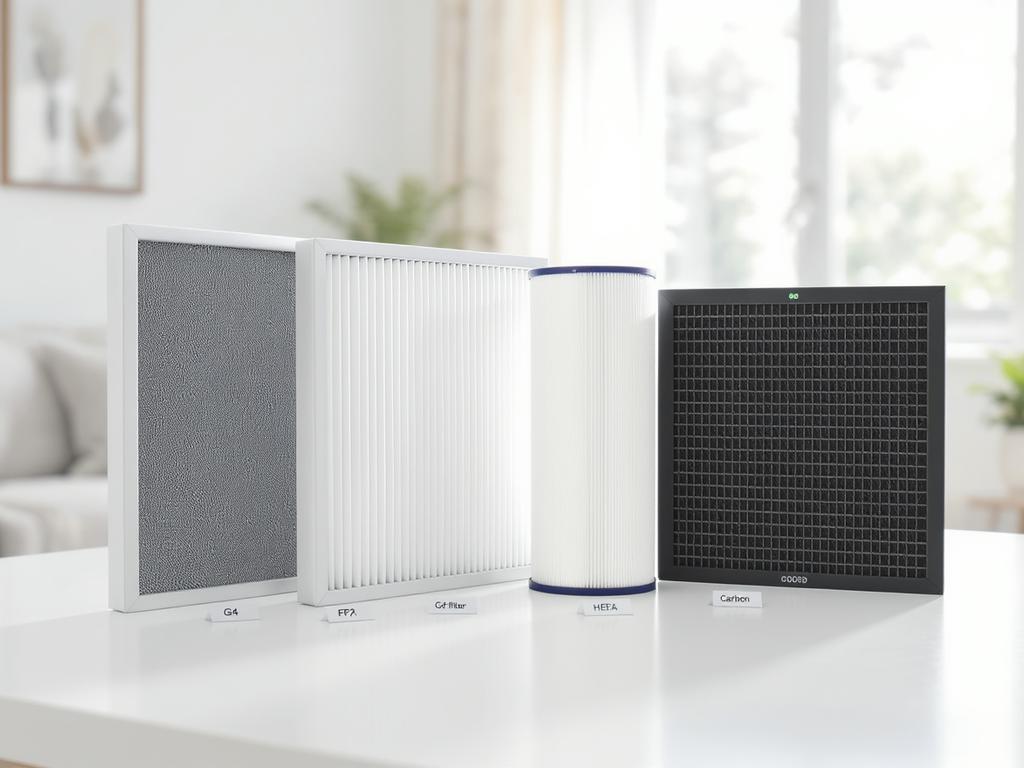
Ventilation improves indoor air quality, but excessive noise and vibration can quickly turn a комфортное space into an uncomfortable one. The most common причина is airflow turbulence: when air moves too fast through undersized ducts, sharp bends, or restrictive grilles, it produces whistling, rumble, and pressure fluctuations. Fan-related issues are also frequent—worn bearings, imbalance, неправильно selected fan size, or high RPM can create tonal noise and transmit vibration into the structure. Another source is poor installation: rigid connections, misaligned ducts, and insufficient supports allow vibration to spread and amplify through walls and ceilings. To reduce noise, start with correct design. Use properly sized ducts to keep air velocity within recommended limits, minimize abrupt turns, and choose low-noise diffusers and grilles. Add acoustic measures where needed: duct liners, external insulation, and sound attenuators (silencers) near fans or between noisy sections and occupied rooms. For vibration control, install vibration isolators under fans and air-handling units, and use flexible connectors between equipment and ductwork to break rigid transmission paths. Ensure ducts are well supported with anti-vibration hangers and that all panels are tightened to prevent rattling. Commissioning and maintenance are essential. Air balancing reduces pressure imbalances and diffuser шум. Regularly check bearings, belts, and mounting hardware, clean filters to prevent increased static pressure, and inspect for loose parts or contact points. With a combination of thoughtful layout, proper isolation, and routine service, ventilation can remain both quiet and effective—supporting healthy air without unwanted sound.
Your email address will not be published. Required fields are marked *