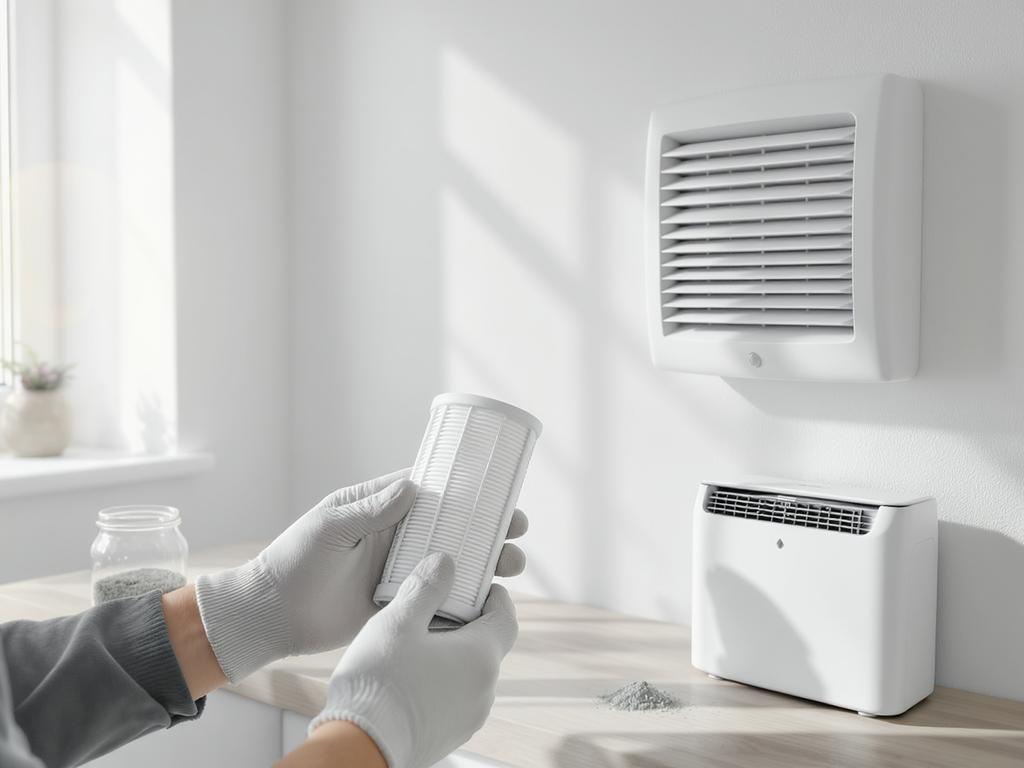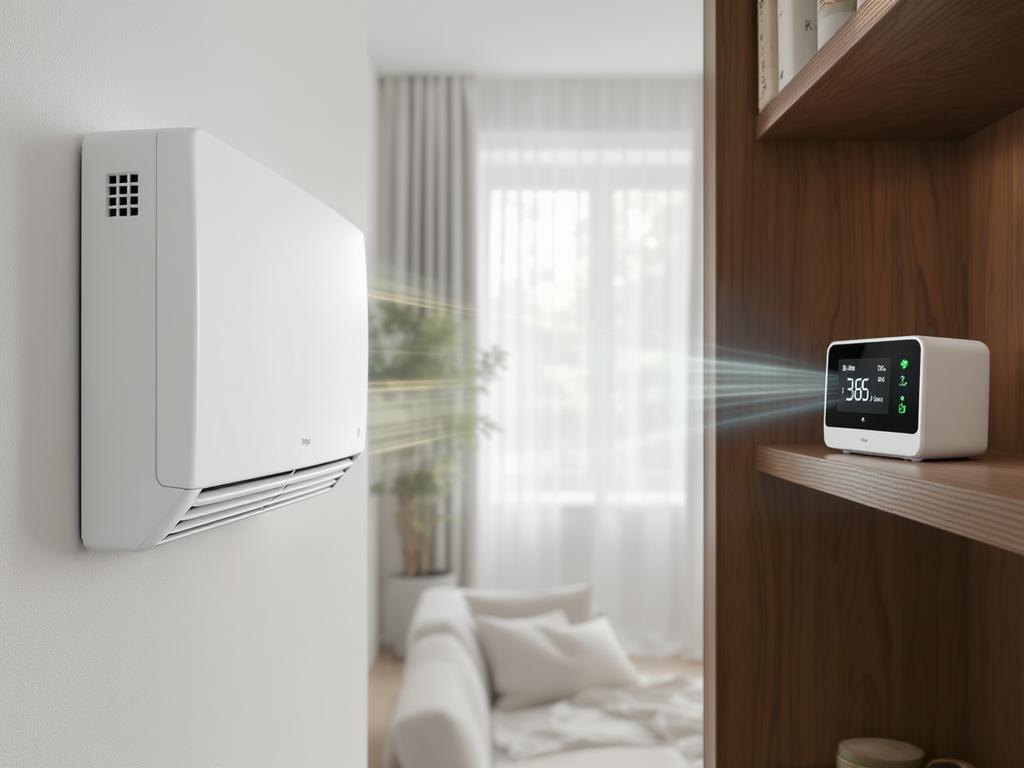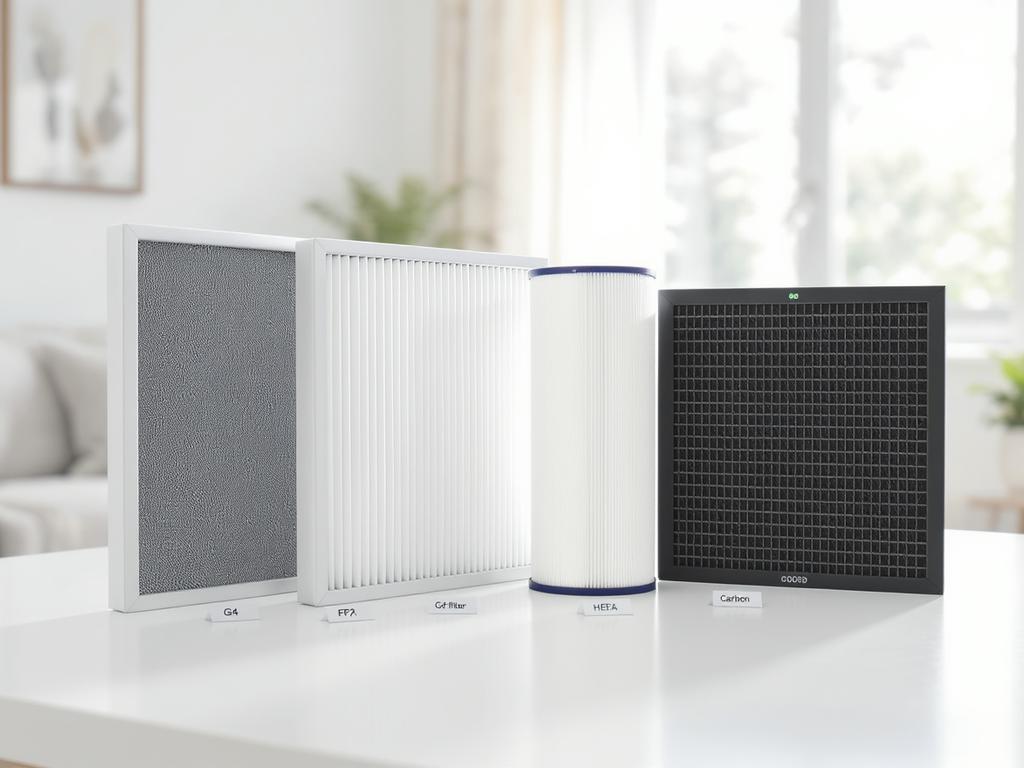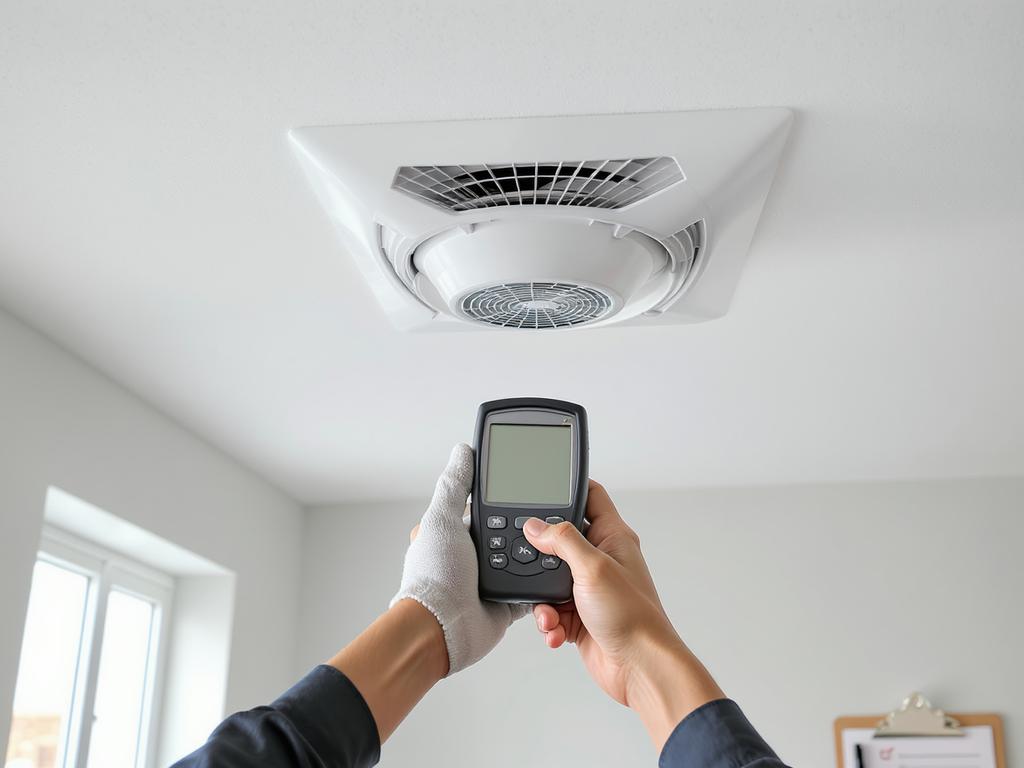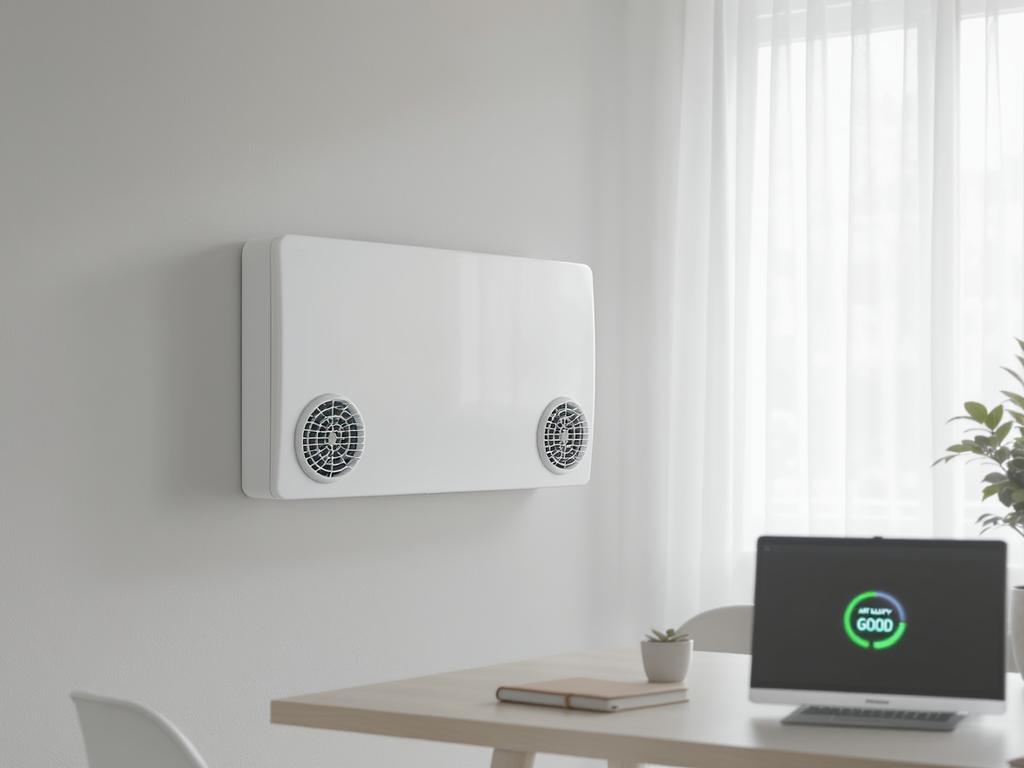
Supply-and-exhaust ventilation (balanced ventilation) is one of the most reliable ways to maintain healthy indoor air. Unlike simple exhaust fans or passive air inlets, it removes stale air and delivers fresh air in controlled volumes, helping stabilize humidity, reduce odors, and improve overall indoor air quality. For a home, the most practical choice is usually a compact balanced unit with heat recovery (HRV) or energy recovery (ERV). Heat recovery reduces heating costs in winter by transferring warmth from outgoing air to incoming air; ERV can also help manage moisture, which is valuable in humid or very dry climates. Look for multi-stage filtration (at least a fine filter; higher grades help with dust and pollen), quiet operation for bedrooms, and easy filter access for maintenance. For commercial premises, priorities shift toward capacity, zoning, and compliance. Offices, retail, cafés, gyms, and medical rooms often need higher air-change rates, stronger filtration, and more precise control. A ducted system with multiple zones, CO₂ sensors, and variable-speed fans can automatically adjust airflow based on occupancy, saving energy while keeping air fresh. Consider noise limits, fire safety requirements, and the need for dedicated exhaust from kitchens, restrooms, or technical areas. When choosing any system, start with proper sizing: airflow is calculated by room volume, occupancy, and usage. Pay attention to duct layout, pressure losses, and installation quality—these factors define real performance more than the brochure numbers. With correct design, balanced ventilation provides comfort, efficiency, and healthier air for both residential and commercial environments.
Your email address will not be published. Required fields are marked *