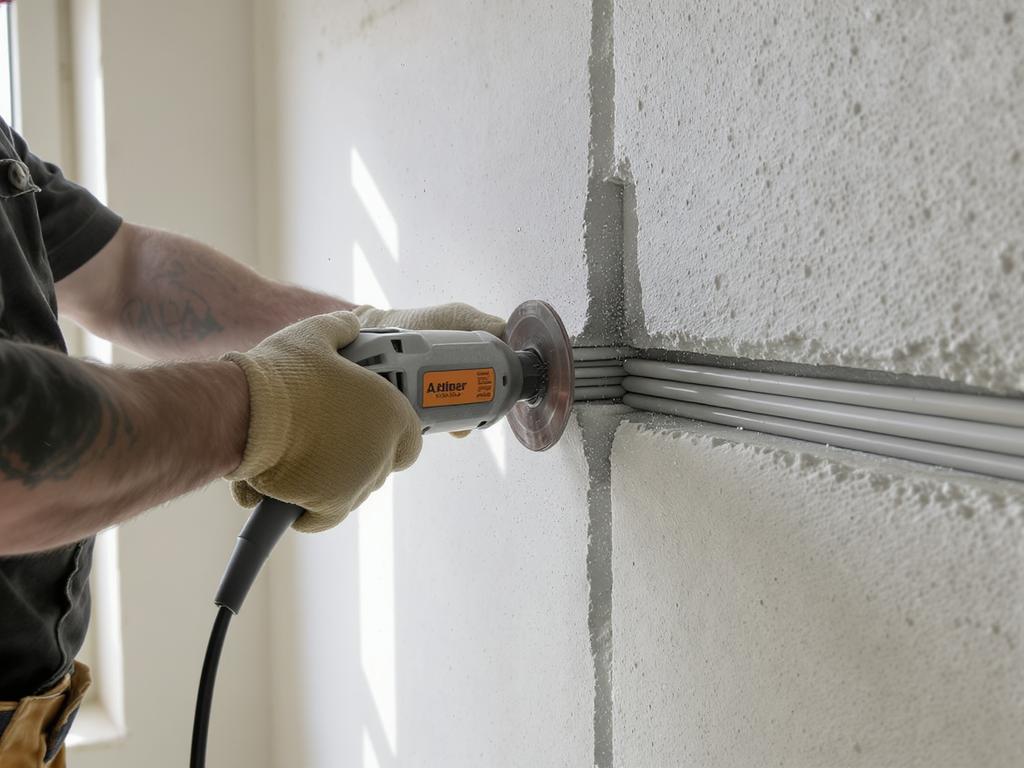
A successful renovation starts long before the first demolition. The key is planning: a clear estimate, a logical sequence of stages, and a simple system for controlling deadlines. Begin with a site inspection and measure everything. Write a scope of work that lists each room, materials, and tasks (demo, electrical, plumbing, plastering, flooring, painting, doors, lighting). The more specific the scope, the fewer surprises later. Next, build a realistic estimate. Split costs into labor, materials, delivery, equipment rental, and permits. Add a contingency reserve (typically 10–20%) for hidden issues such as uneven walls, old wiring, or moisture damage. Compare offers from several contractors, but don’t choose by price alone—check licenses, portfolio, references, and warranty terms. In a business directory, look for companies with verified reviews and clear specializations. Define stages and milestones. A common sequence is: preparation and protection, demolition, rough-in utilities, leveling and drywall/plaster, waterproofing, tiling and flooring, painting, installation of doors and fixtures, final electrical, cleaning, and handover. For each stage, set acceptance criteria: photos, measurements, and a checklist. Tie payments to completed milestones, not to calendar dates. To control deadlines, create a simple schedule with start/end dates, responsible parties, and dependencies (for example, flooring after leveling is fully dry). Confirm lead times for materials and order critical items early. Hold short weekly site meetings, record decisions, and document any changes with written change orders that include cost and time impact. With a disciplined plan, your renovation stays predictable—on budget, on quality, and on time.
Your email address will not be published. Required fields are marked *