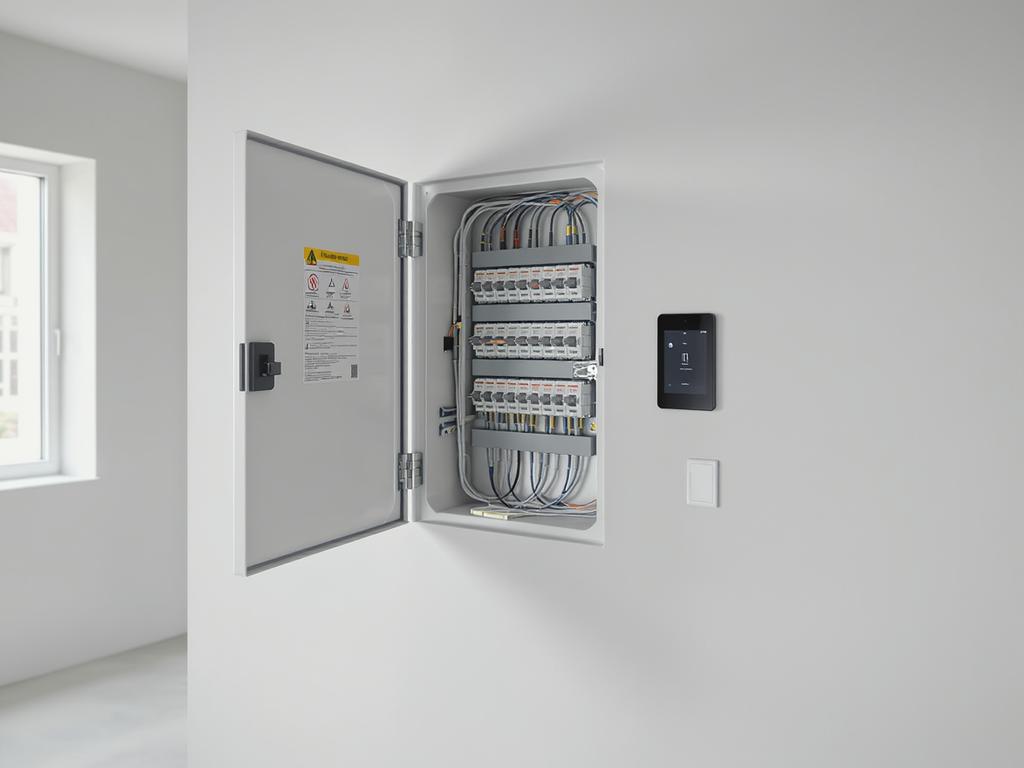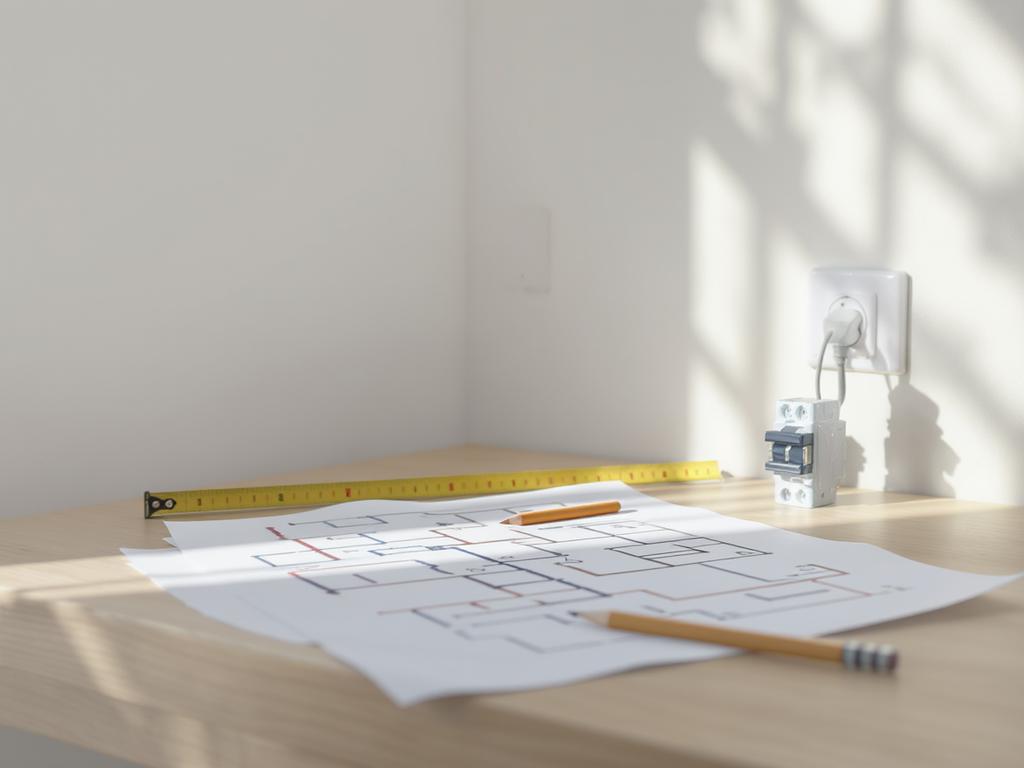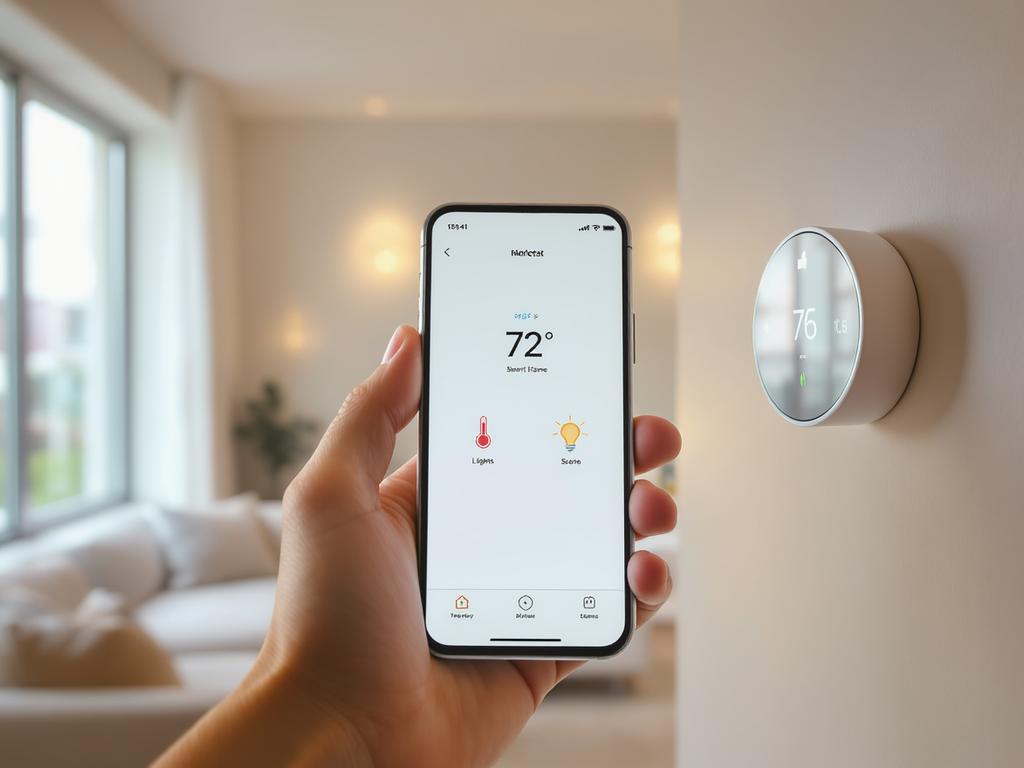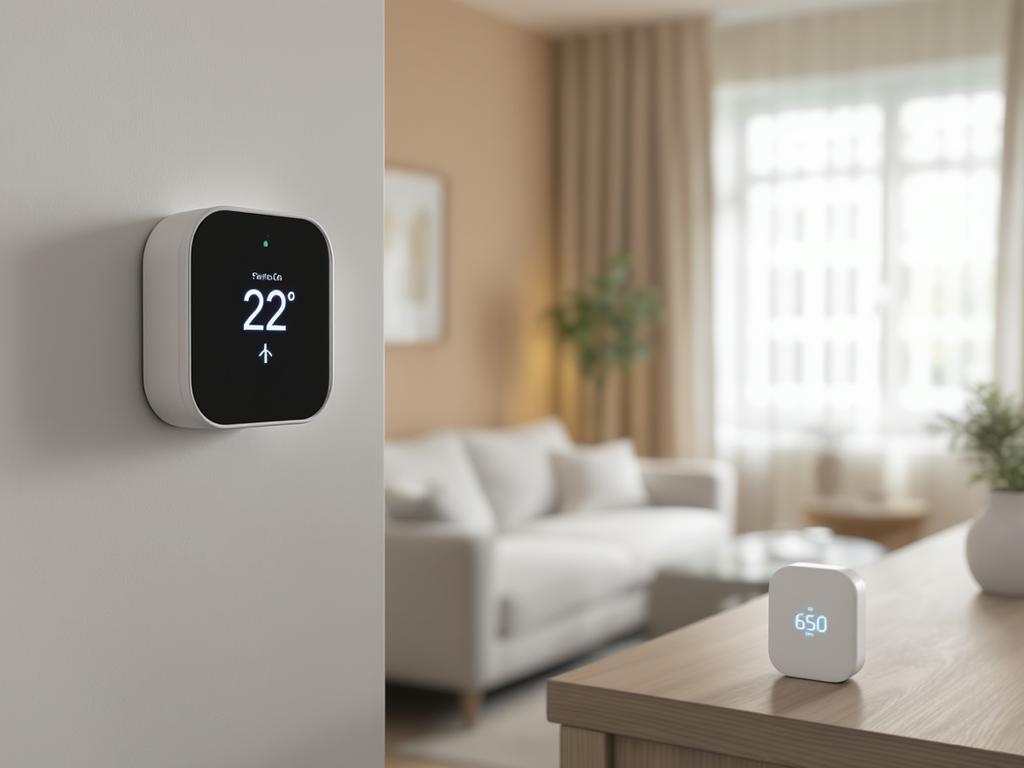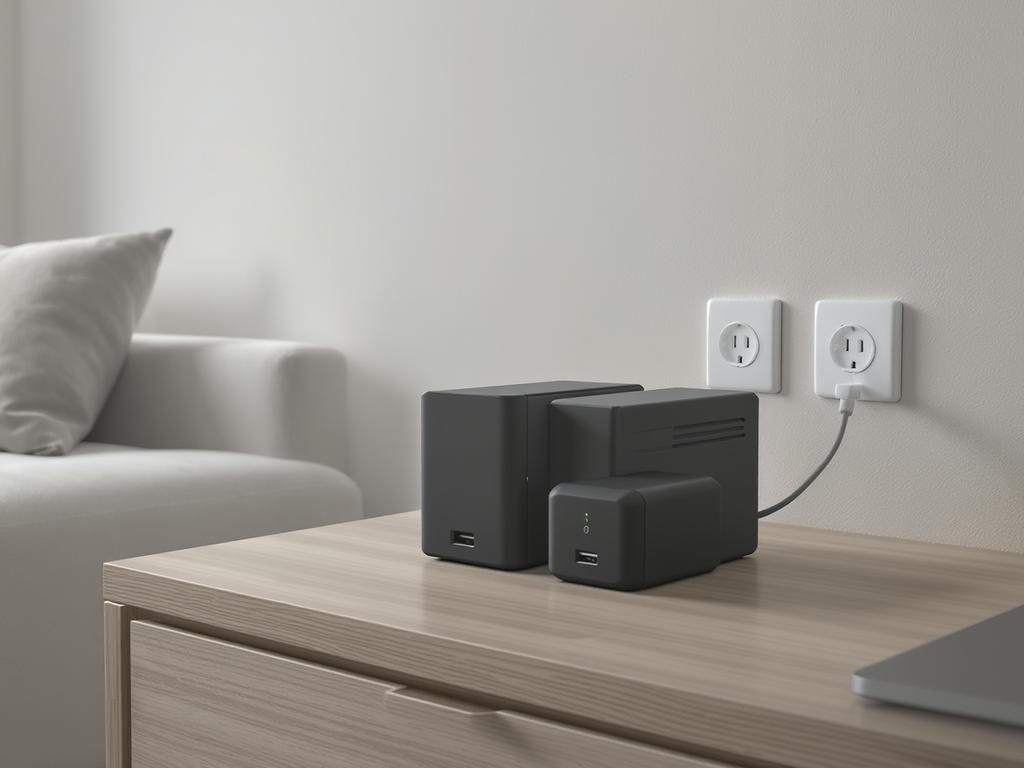
Unstable mains voltage, spikes, and short outages can damage sensitive electronics and especially climate equipment such as air conditioners, heat pumps, ventilation units, boilers, and circulation pumps. To reduce risks, choose either a voltage stabilizer (for constant correction) or a UPS (for backup power plus filtering). Start by defining the goal: if your problem is frequent undervoltage/overvoltage, a stabilizer is usually the priority; if power cuts occur and you need the system to keep running safely (controllers, pumps, smart home hubs), a UPS is essential. Next, size the power correctly. Make a list of connected devices, their wattage, and starting currents. Motors and compressors (AC units, pumps) may require 2–5× higher surge power at startup. Select a stabilizer/UPS with sufficient continuous power and a strong peak rating; include at least 20–30% headroom to prevent overheating and nuisance shutdowns. Choose the right type. Relay stabilizers are budget-friendly but less precise; servo types are smoother but slower; inverter (electronic) stabilizers offer the best accuracy and fast response for modern electronics. For UPS: offline models suit basic PCs; line-interactive units handle moderate voltage fluctuations; online (double-conversion) UPS provides the cleanest output and is recommended for critical HVAC controls and expensive equipment. Pay attention to output waveform (pure sine wave is preferred for motors), input voltage range, protection features (surge, short-circuit, overheating), noise level, and installation. For whole-home protection, consider a dedicated stabilizer at the input plus separate UPS units for critical loads. If in doubt, consult an electrician and measure your real voltage with a logger before purchasing.
Your email address will not be published. Required fields are marked *