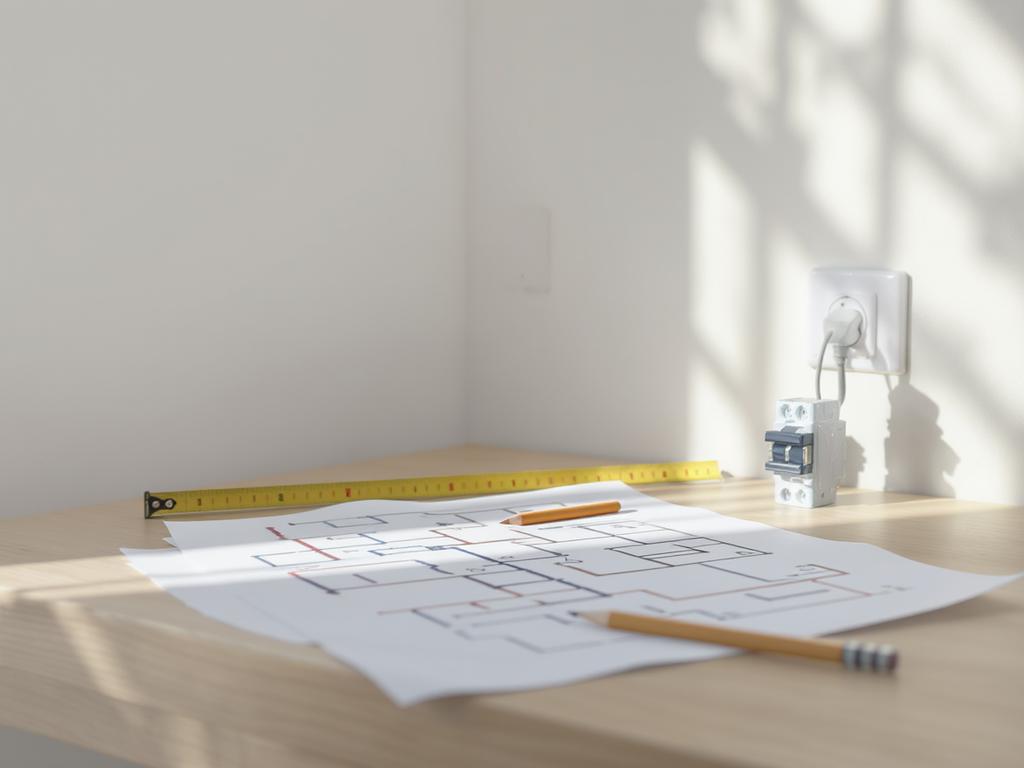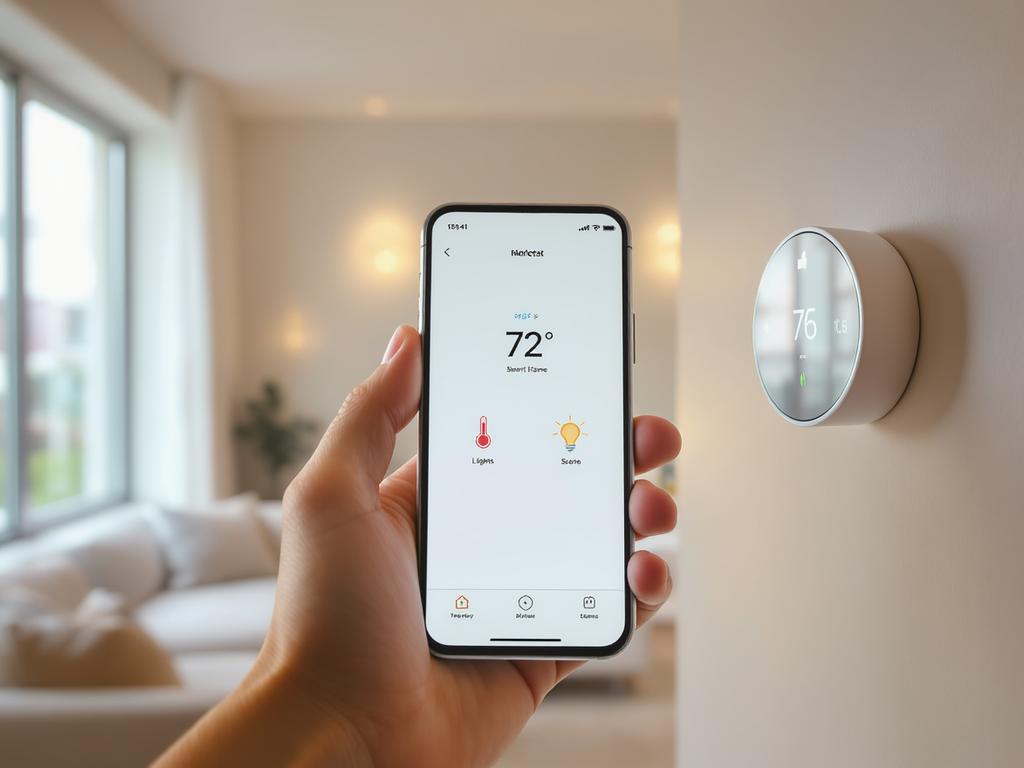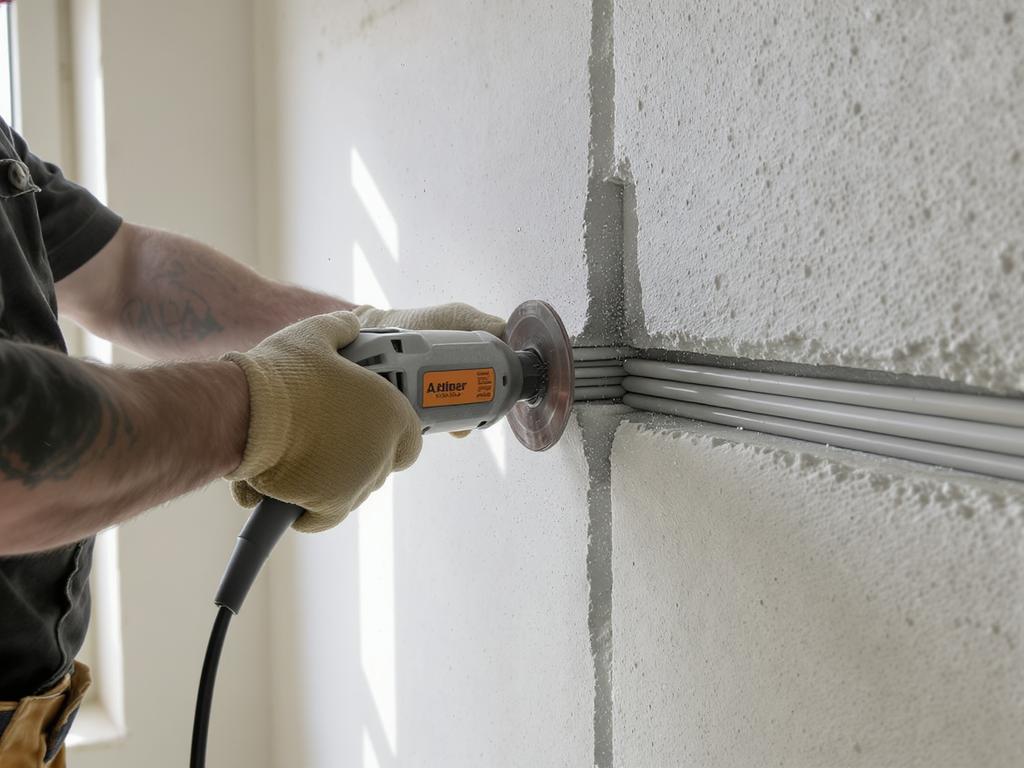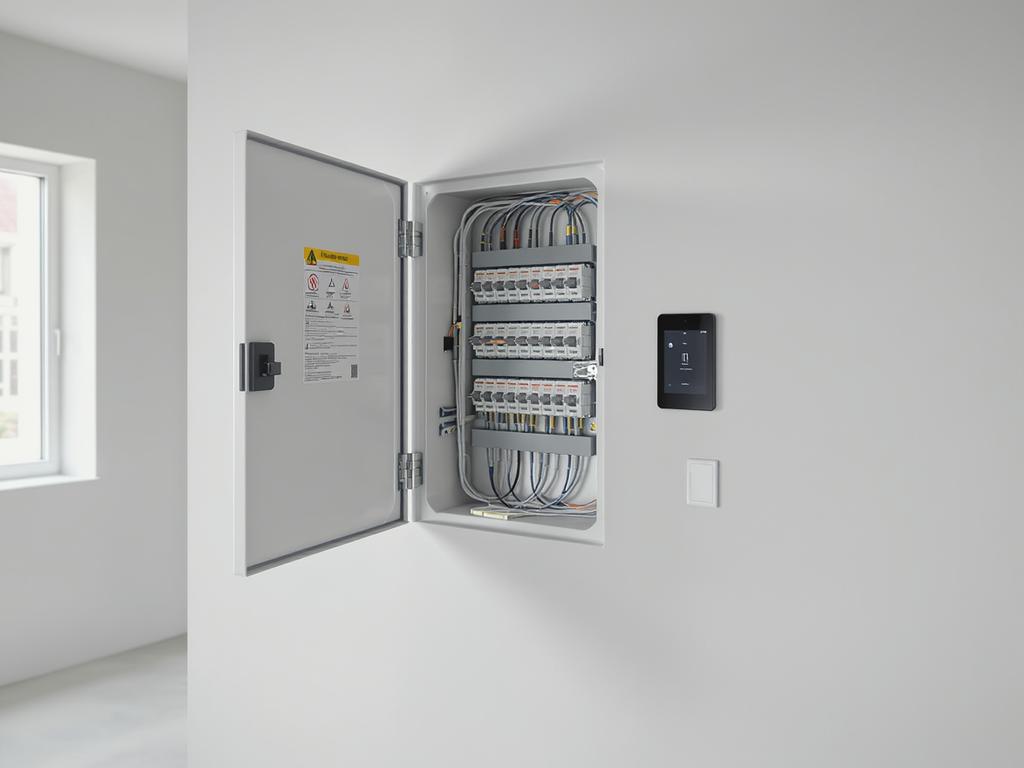
Electrical work in a new-build apartment or a private house starts with the switchboard (distribution board). It is the “control center” that divides the home into circuits, protects cables from overload, and shuts power off instantly when a fault is detected. A well-planned board makes everyday use safer and future upgrades—like smart home devices—much easier. Begin with a load calculation: separate lighting, sockets, kitchen appliances, HVAC, water heater, and outdoor lines into dedicated circuits. Correct cable sizing and breaker selection (MCB) prevent overheating and nuisance trips. For personal safety, install RCD/RCBO protection on socket groups and wet areas (bathroom, kitchen, laundry). In private houses, grounding (earthing) is critical: a properly built earthing system and bonding of metal pipes reduce the risk of electric shock and equipment damage. Add surge protection (SPD) to safeguard electronics from lightning and grid spikes—especially important for homes with automation hubs, routers, cameras, and smart meters. Label all circuits, keep a clear wiring diagram, and leave spare modules for expansion. Smart home readiness is simple when planned early: provide space for DIN-rail power supplies, relays, and contactors; run neutral wires to switch boxes; and allocate separate circuits for critical loads. Choose certified components, follow local codes, and test the installation (RCD trip time, insulation resistance). Safety is not an option—it’s the foundation of a reliable, modern home.
Your email address will not be published. Required fields are marked *