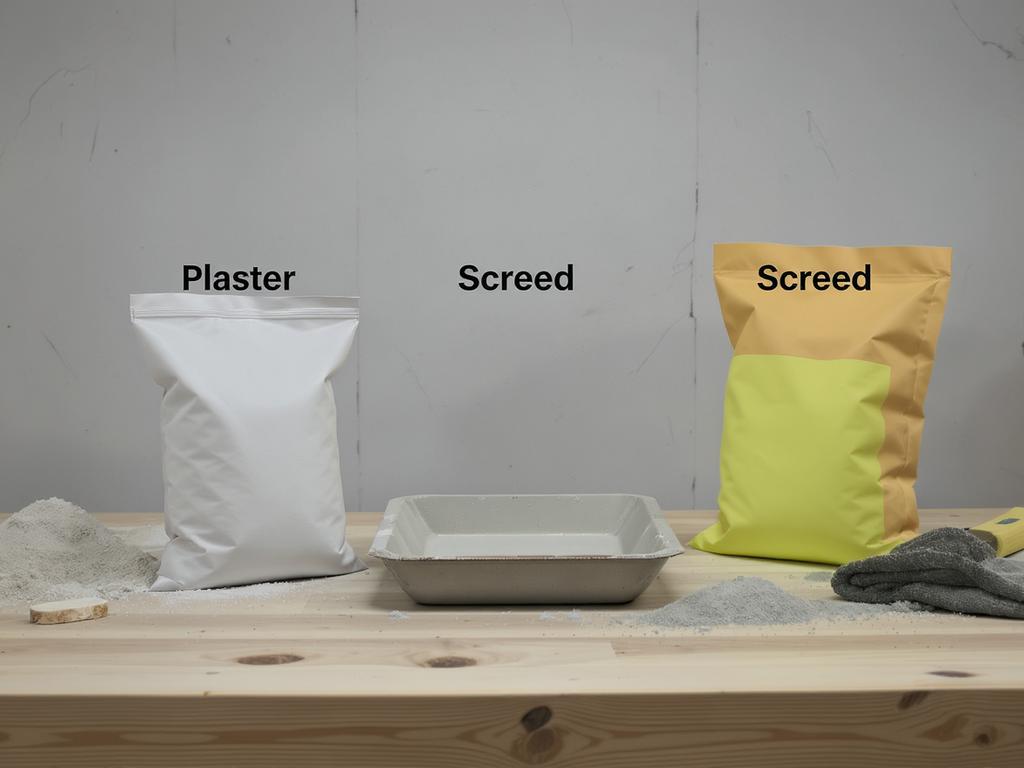
Rough works set the quality of your entire renovation, so choosing the right materials for plaster, screed, and drywall is crucial—especially in Anaheim, where homes can vary from older builds to modern constructions. Start with plaster: for interior walls, gypsum plaster is popular because it applies smoothly and dries faster, making it ideal for living rooms and bedrooms. Cement-based plaster is stronger and more moisture-tolerant, so it’s better for garages, laundry areas, and spots exposed to occasional dampness. If you need improved breathability in older walls, lime-based mixes can help, but they typically require more skill and longer curing. Next, floor screed. A traditional cement-sand screed is a reliable choice for leveling and durability, but it demands correct thickness and curing time. For quicker turnaround or fine leveling before tile, laminate, or vinyl, consider self-leveling compounds; they deliver a flatter surface but require clean primed substrates and careful water ratios. In bathrooms and kitchens, prioritize water resistance, crack control additives, and expansion joints to reduce the risk of future failures. Finally, drywall (gypsum board). Standard boards work for most dry areas, while moisture-resistant drywall is recommended for bathrooms and utility rooms. For shared walls, bedrooms, or home offices, acoustic-rated boards and proper insulation can noticeably reduce noise. Always match thickness and framing spacing, use quality fasteners, and finish with the right joint compound and tape system. If you’re comparing local contractors, ask which brands and specifications they use, how they prep surfaces, and what warranty they provide—those details matter as much as the material choice.
Your email address will not be published. Required fields are marked *


