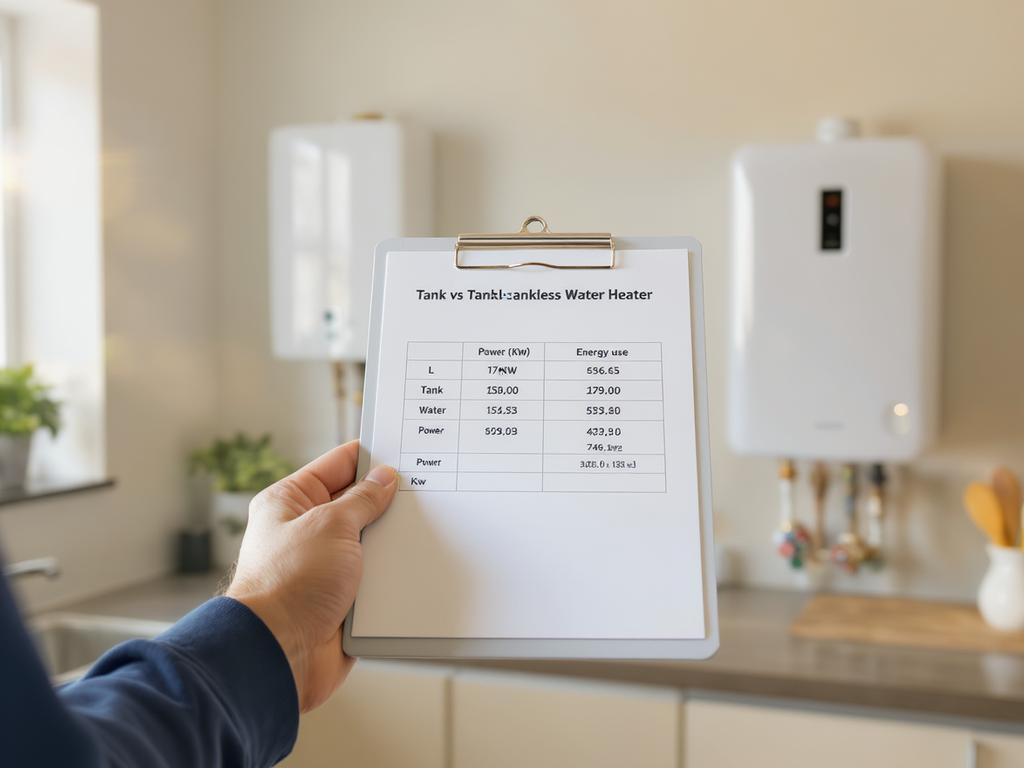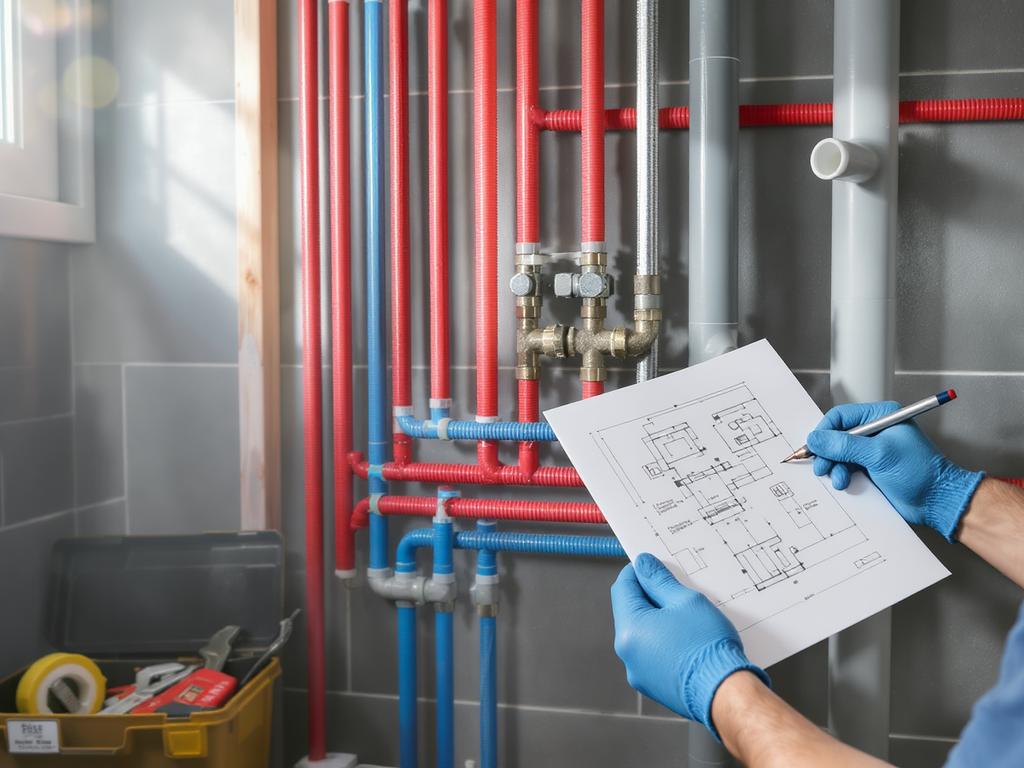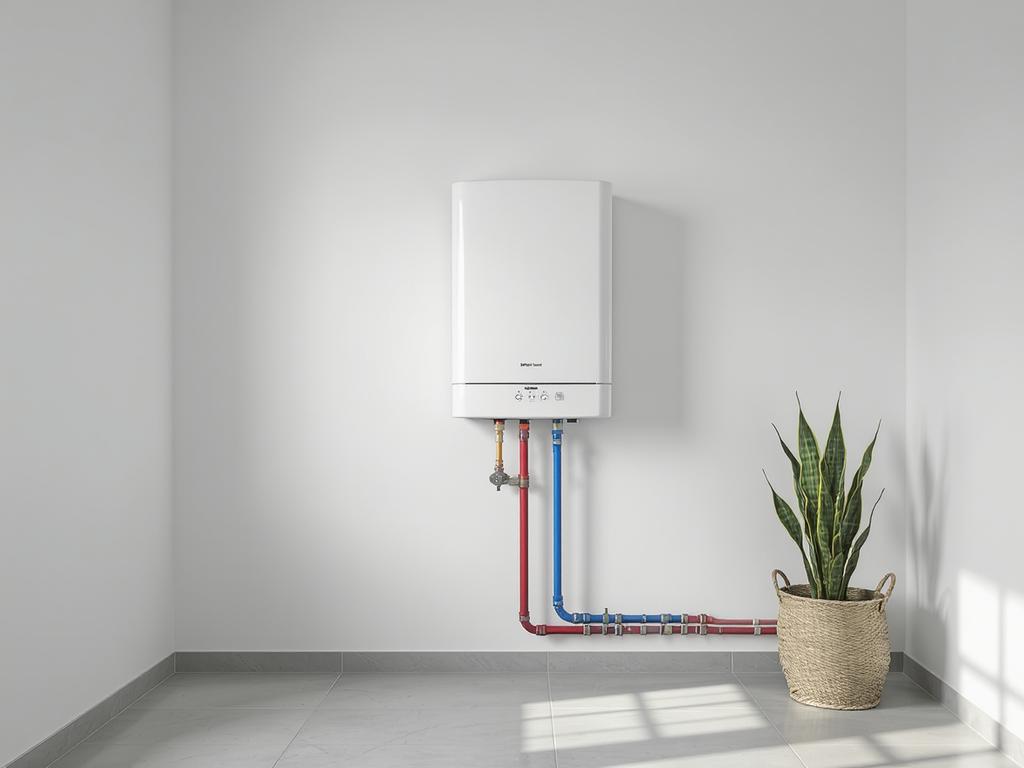
Choosing the right water heater is not only about brand and price—it is about matching hot-water demand with the correct power and realistic energy consumption. In Plumbing & Water Systems listings within a business directory, you will often see “storage boiler” and “tankless” (instant) models. Here is a practical way to decide. Start with demand: count points of use (shower, sink, kitchen) and estimate how many may run at the same time. A typical shower needs about 6–10 L/min of mixed water. If you want truly hot water instantly, calculate tankless power by temperature rise: Power (kW) ≈ Flow (L/min) × ΔT (°C) × 0.07. For example, 8 L/min with a 30°C rise requires ~16.8 kW. This is why many tankless units need strong electrical capacity (often 3‑phase) or gas. Storage boilers are chosen by tank volume and reheating power. For a household with 1–2 people, 50–80 L is usually enough; 3–4 people often need 80–120 L; larger families may require 150 L+. Check heating element power (commonly 1.5–3 kW): higher power reheats faster but increases peak load. To estimate consumption, use: Energy (kWh) ≈ Volume (L) × ΔT (°C) × 0.00116. Heating 100 L by 40°C needs ~4.6 kWh, plus standby losses from the tank. Tankless units have near-zero standby losses but high momentary power. Finally, consider your wiring limits, available gas, installation space, and usage pattern. If demand is short and frequent, a storage boiler is forgiving. If you need endless hot water and can supply the required power, tankless may be optimal.
Your email address will not be published. Required fields are marked *