-
New York, NY
 HI 58° LO 56°
 HI 58° LO 56°
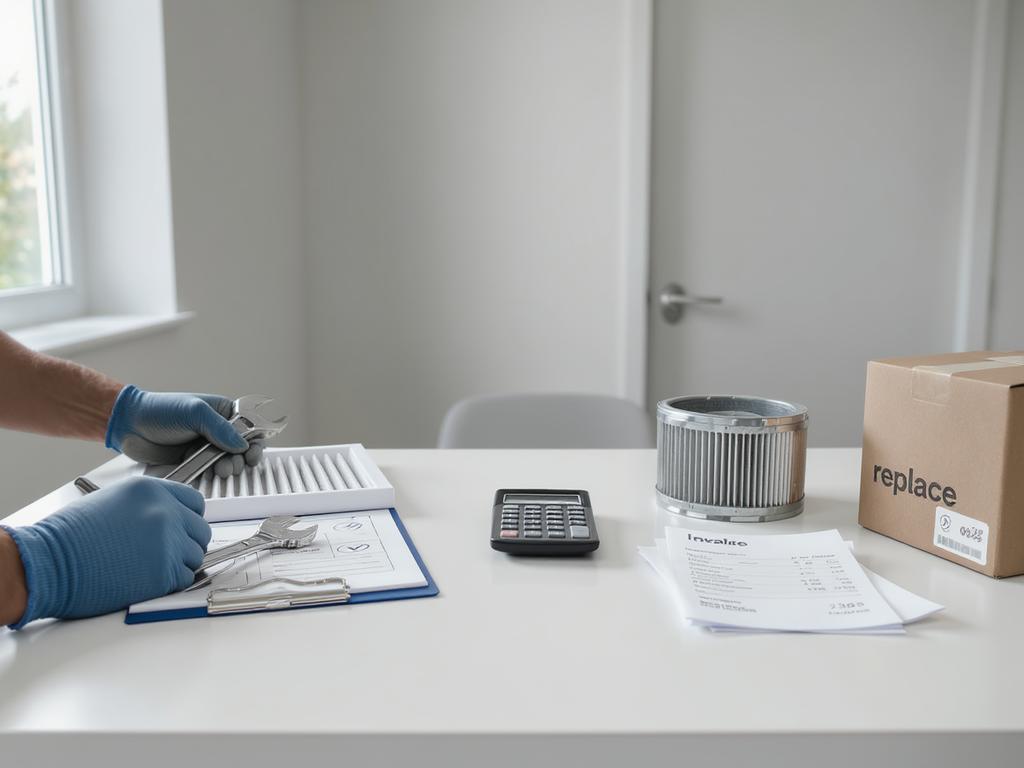
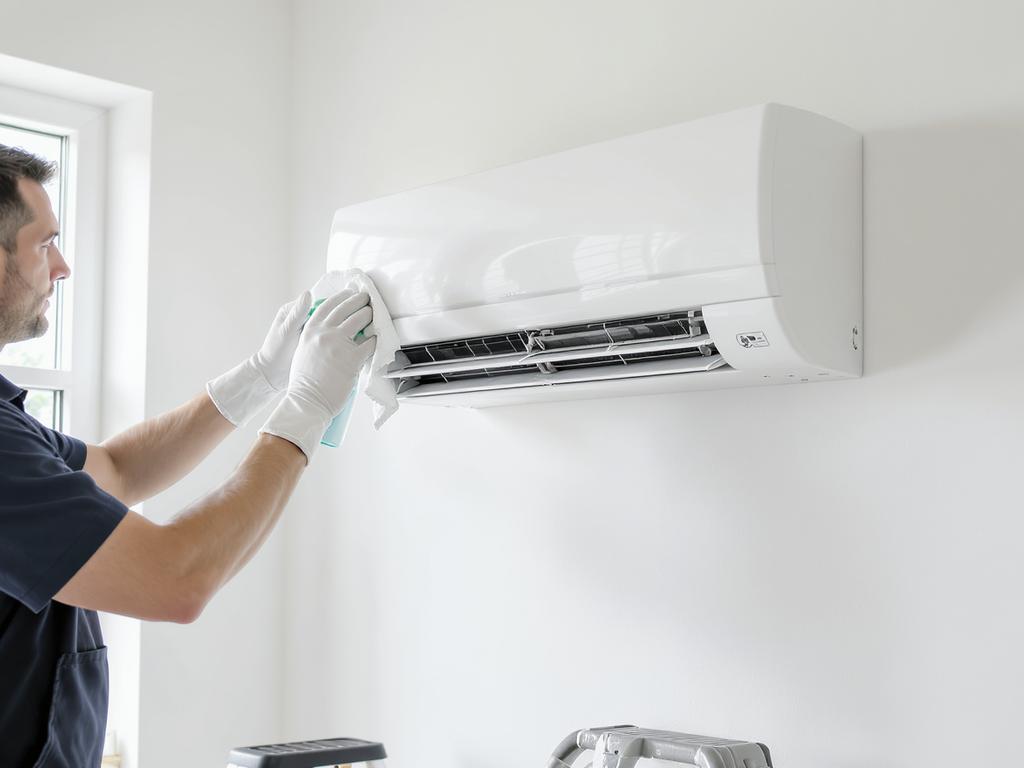
Energy efficiency is not only about buying new technology—it’s about making the right decision at the right time. Many businesses lose money by repairing equipment that should be replaced, or by replacing systems that could deliver years of savings after proper cleaning and maintenance. Cleaning or repair is usually the выгоднее choice when performance issues are caused by contamination, wear parts, or poor settings. If energy use has increased gradually, airflow or heat transfer has dropped, or the system overheats, professional cleaning, calibration, seal replacement, lubrication, and minor component repair can restore efficiency quickly. This approach often makes sense when the unit is relatively new, spare parts are available, downtime is minimal, and the repair cost is low compared to the equipment’s value. Replacement becomes the smarter option when the total cost of ownership keeps rising. Consider upgrading if breakdowns are frequent, efficiency is far below modern standards, or repairs exceed about 30–50% of the cost of a comparable new unit. Also factor in hidden costs: energy waste, production losses during outages, safety risks, and warranty limitations. If the equipment uses obsolete refrigerants, outdated controls, or has poor load matching, a modern high-efficiency model can reduce consumption significantly and pay back through lower utility bills. A practical method is to compare three numbers: current annual energy cost, estimated savings after cleaning/repair, and projected savings after replacement. Add expected maintenance costs and downtime for each scenario, then calculate payback and ROI. When the payback for replacement is short and reliability is critical, investing in new equipment is often the most cost-saving decision.