-
New York, NY
 HI 58° LO 56°
 HI 58° LO 56°
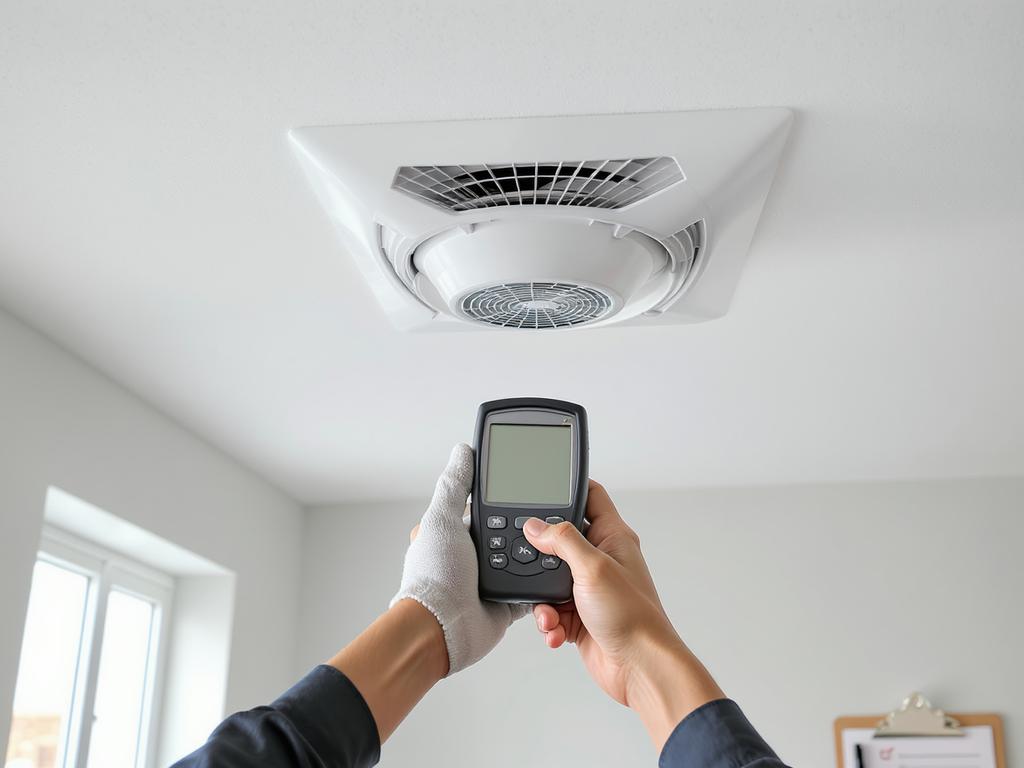
A ventilation system can move plenty of air and still feel “wrong” if it is noisy, drafty, or uneven across rooms. In most cases, the root cause is poor balancing: air is forced through restrictive paths, creating high velocity, turbulence, and vibration. Proper ventilation balancing aligns supply and exhaust flows so each room receives the designed amount of air—quietly and consistently. Start with the basics: check that ducts are correctly sized and not overly constricted by sharp bends, crushed flexible sections, or partially closed grilles. High air speed at diffusers is a common source of whistling and hiss; reducing velocity by using larger diffusers, adding additional outlets, or lowering fan speed often cuts noise dramatically. Make sure the fan is mounted with vibration isolation and that duct connections are airtight; leaks can create “jet” noise and also ruin air quality by pulling dust from cavities. Balancing should be measurement-based. Use an anemometer or flow hood to verify airflow at each diffuser, then adjust balancing dampers gradually—never by fully choking a branch, which increases static pressure and can amplify noise. If one area is starved, look for hidden restrictions upstream rather than over-opening other branches. Also confirm that supply and exhaust are balanced overall; an imbalanced system can cause door slams, whistling gaps, and uncomfortable drafts. Finally, address sound transmission: add acoustic lining or silencers where needed, avoid rigid-to-rigid connections near the fan, and keep airflow within recommended ranges. The result is a calmer home or office with stable traction, better air quality, and ventilation you barely notice.