
-
New York, NY
 HI 58° LO 56°
 HI 58° LO 56°
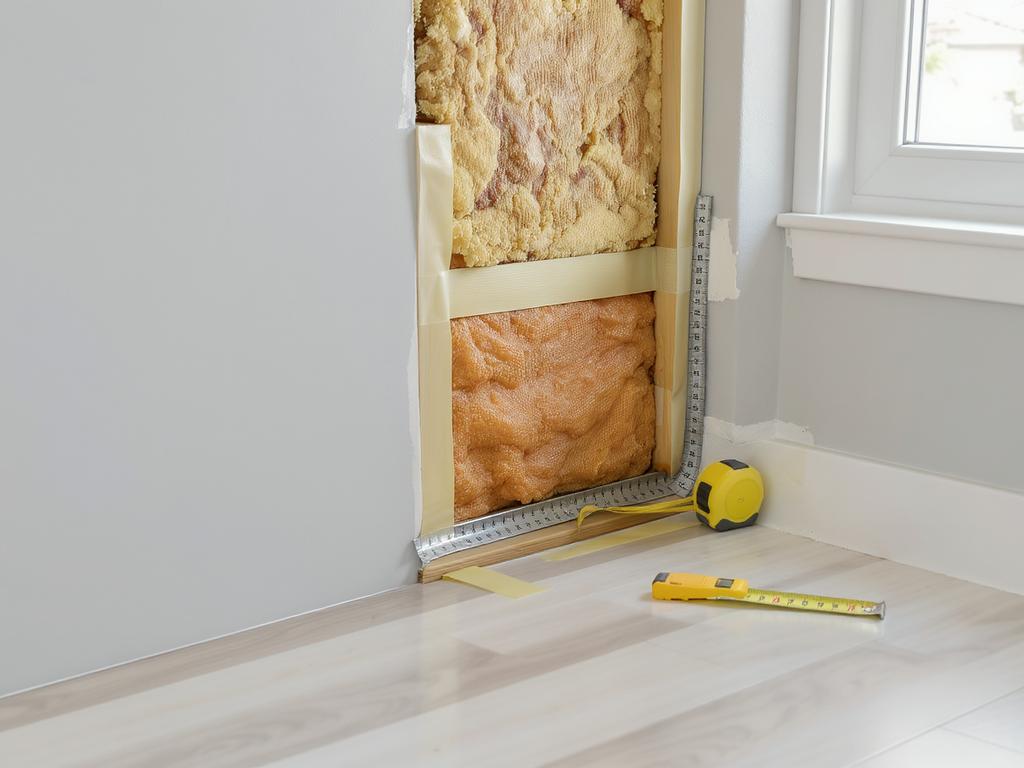
In construction & renovation, most energy losses and moisture problems don’t come from the main wall or roof area—they come from typical junctions (detail nodes) where materials meet. If these spots are designed or repaired without a clear strategy, you can end up with thermal bridges, cold surfaces, and persistent condensation that leads to mold, peeling paint, and reduced indoor comfort. For Anaheim homes, where indoor cooling and occasional humid air meet cooler surfaces, detailing still matters. Start with one rule: insulation must be continuous. Any break in the insulation layer—at slab edges, wall-to-roof connections, parapets, or around openings—creates a shortcut for heat flow. Use insulated returns around window and door reveals, add thermal breaks at balcony slabs when feasible, and ensure exterior insulation wraps corners without gaps. Second rule: airtightness must be continuous. Air leaks transport moisture far faster than diffusion. Seal the air barrier at wall-to-floor junctions, rim joists, service penetrations, and around frames using compatible tapes, gaskets, or sealants. Avoid “foam-only” fixes where UV exposure or movement can crack the seal. Third rule: control vapor smartly. Place vapor control layers on the warm-in-winter side for your assembly, and avoid trapping moisture between two impermeable layers. In bathrooms and kitchens, combine effective exhaust ventilation with sealed penetrations. Finally, inspect typical risk areas: window installation (sill and head flashing), roof-to-wall transitions, recessed lighting in insulated ceilings, and plumbing chases. A renovation detail checklist—and a blower door or smoke test when possible—helps confirm that your repaired junctions won’t become future condensation points.