-
New York, NY
 HI 58° LO 56°
 HI 58° LO 56°
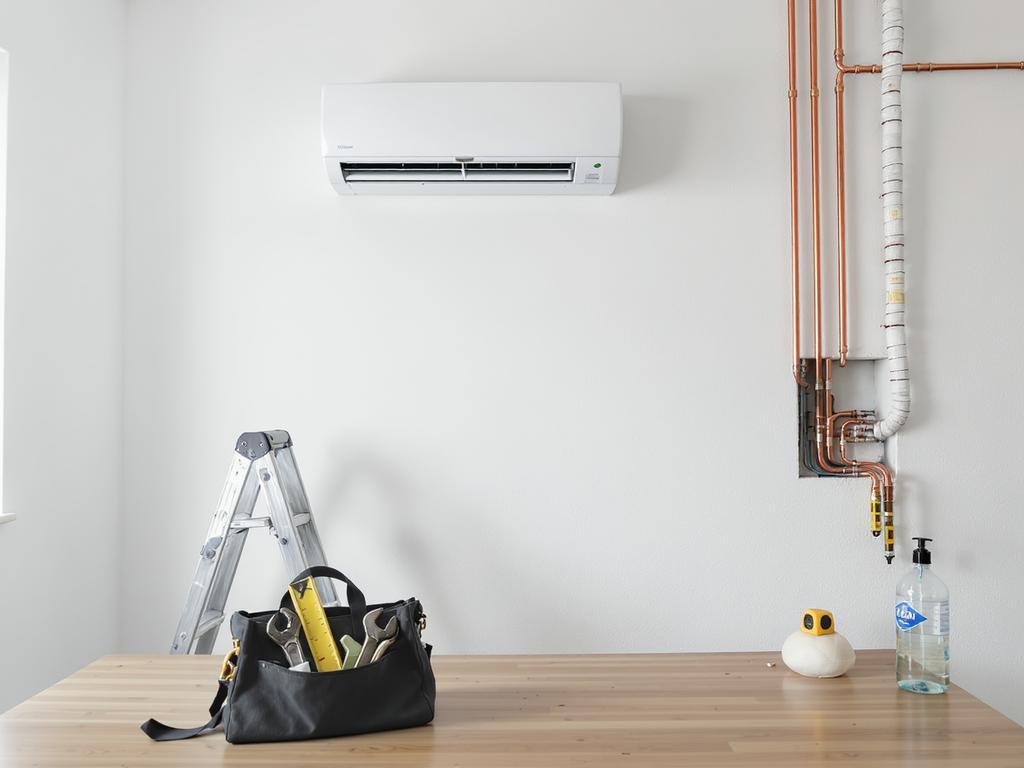
Even a high-quality split-system air conditioner can perform poorly if it is installed with common technical mistakes. The three most frequent problem areas are condensate drainage, the refrigerant line set (route), and vacuuming before charging. Drainage issues usually appear first: water dripping indoors, moldy odors, or a frozen coil. The drain hose must have a stable downward slope along the entire run. “Up-and-down” sections create water traps, and a long horizontal section without slope causes stagnation. The outlet should be protected from insects and wind backflow, and the line should be secured so it doesn’t sag over time. If a condensate pump is used, check the float switch, lifting height, and service access. Mistakes with the line set (trassa) lead to noise, oil return problems, and energy losses. Avoid unnecessary length and sharp bends that restrict refrigerant flow. Always use the correct pipe diameter, install continuous insulation on the suction line, and seal joints to prevent condensation and UV damage. Poorly flared or overtightened connections are a top cause of slow leaks. Finally, vacuuming is not optional. Skipping a deep vacuum leaves air and moisture inside the system, which can form acids, reduce efficiency, and damage the compressor. Use a vacuum pump and micron gauge, pull down to a proper level, and hold a standing vacuum test to confirm there are no leaks and no moisture boiling off. Correct installation protects your comfort, your equipment, and your warranty.