-
New York, NY
 HI 58° LO 56°
 HI 58° LO 56°
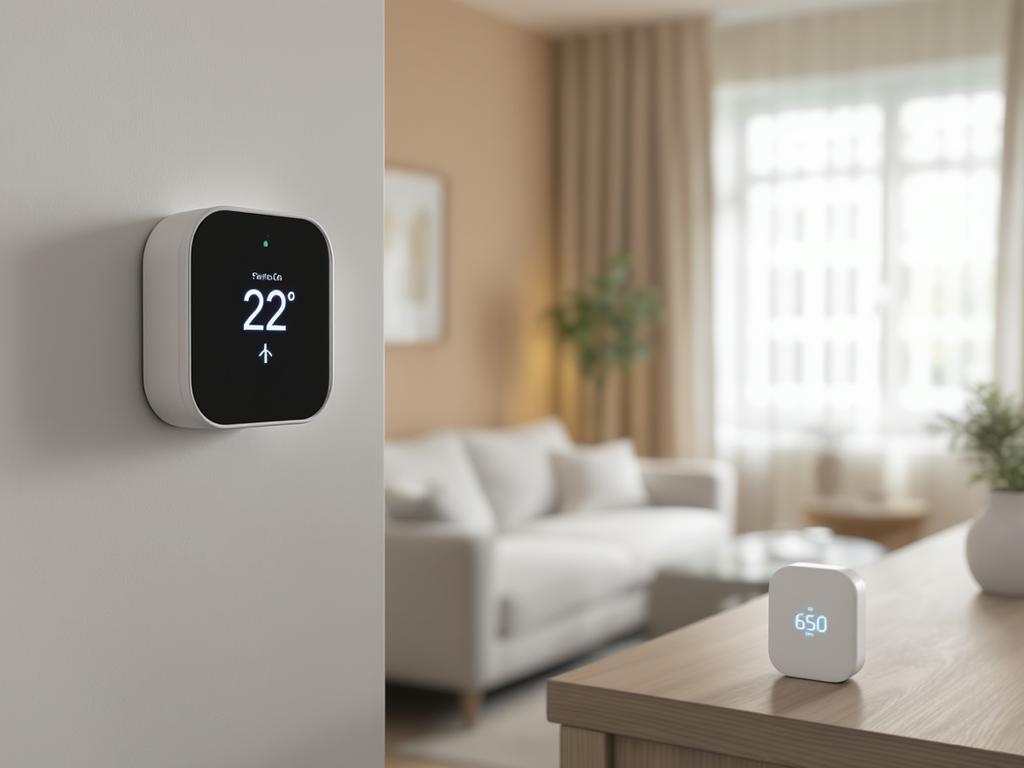
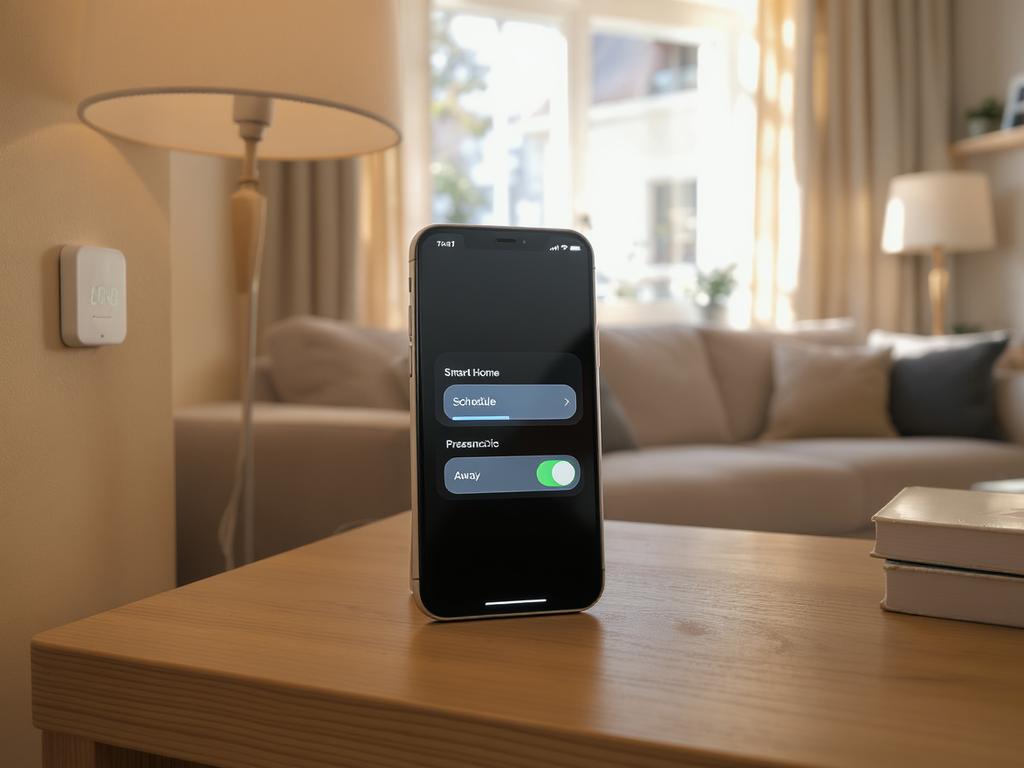
A comfortable smart home is not only about temperature—it is also about air quality. Smart thermostats and CO2 sensors complement each other: the thermostat maintains stable heating/cooling, while the CO2 sensor shows when fresh air is needed. Together they enable automation scenarios that improve well-being, reduce energy waste, and keep humidity and temperature within target ranges. Scenario 1: Demand-based ventilation. When CO2 rises above a set threshold (for example 900–1000 ppm), the system automatically turns on a supply/exhaust fan, opens a motorized vent, or boosts the HRV/ERV. Once CO2 drops to a safe level, ventilation returns to normal, preventing over-ventilation and heat loss. Scenario 2: Heating with “air quality priority.” If CO2 is high, the system briefly increases ventilation and compensates by adjusting the thermostat setpoint or HVAC airflow to avoid a cold draft. This keeps rooms comfortable while still replacing stale air. Scenario 3: Night mode for bedrooms. At night the thermostat gently lowers temperature for sleep, but if CO2 climbs due to closed doors/windows, ventilation ramps up quietly. In the morning, pre-heating starts earlier if the room was ventilated longer. Scenario 4: Occupancy-aware control. CO2 trends often reflect real occupancy. If levels rise quickly, the thermostat can switch from eco to comfort mode; when CO2 stays low and motion sensors confirm no one is home, the system returns to energy-saving settings. For best results, place CO2 sensors at breathing height away from windows and vents, calibrate periodically, and set realistic thresholds. Proper automation delivers a healthier indoor environment with measurable savings and minimal manual adjustments.