-
New York, NY
 HI 58° LO 56°
 HI 58° LO 56°
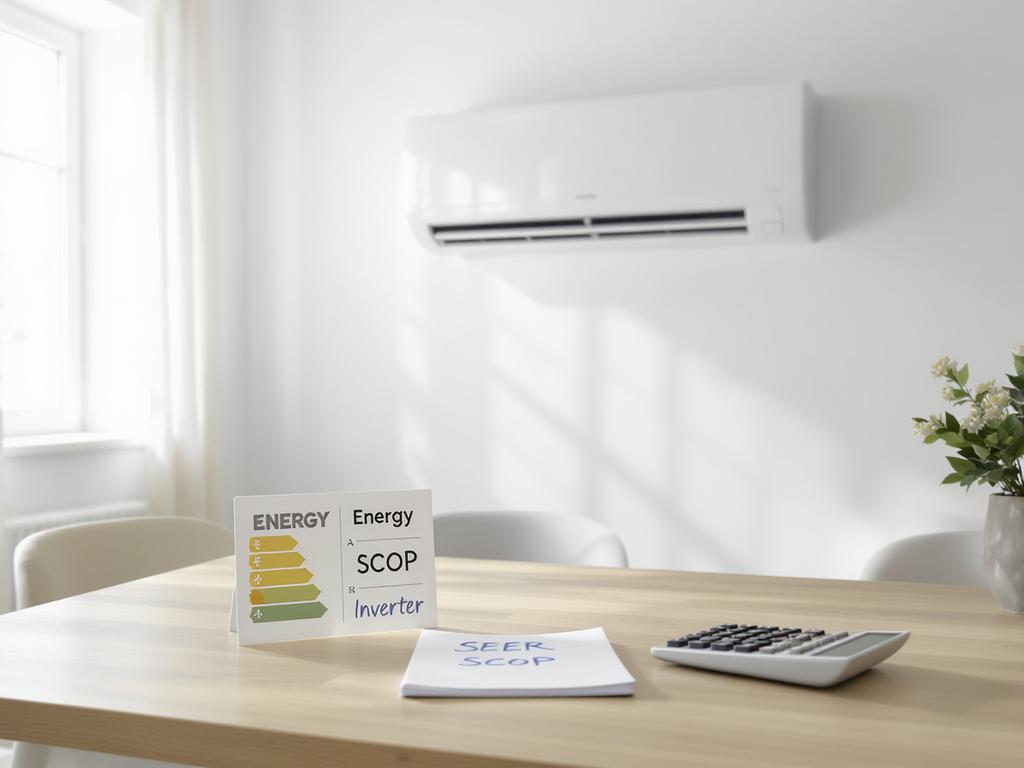
When shopping for an air conditioner or a heat pump, the spec sheet can look impressive—but not every “high number” guarantees real savings. The key is understanding seasonal efficiency ratings and inverter technology. SEER (Seasonal Energy Efficiency Ratio) describes cooling efficiency across a typical season, not just a single test point. Higher SEER usually means lower electricity use in summer, especially if you run the unit many hours per day. SCOP (Seasonal Coefficient of Performance) is the same idea for heating: it shows how much heat you get per unit of electricity over the heating season. In simple terms, a SCOP of 4 means the system delivers about four units of heat for every one unit of electricity consumed (under standardized conditions). An inverter compressor matters because it modulates power instead of switching fully on/off. This reduces temperature swings, improves comfort, and often lowers consumption during part-load operation—the most common real-life scenario. However, don’t pay extra for “inverter” alone: compare the actual SEER/SCOP values, not the marketing name. To avoid overpaying, match efficiency to your usage. If you cool occasionally, a very high SEER may take years to pay back. If you heat with a heat pump in a cold region, SCOP and low-temperature capacity are crucial—check performance data at outdoor temperatures relevant to your climate. Also verify noise levels, warranty terms, and installation quality: poor installation can erase efficiency gains. Finally, compare models at similar capacity. Oversized units cycle more, reduce comfort, and can waste energy. Choose the right size, then pick the best SEER/SCOP within your budget for the fastest, most reliable savings.