
-
New York, NY
 HI 58° LO 56°
 HI 58° LO 56°
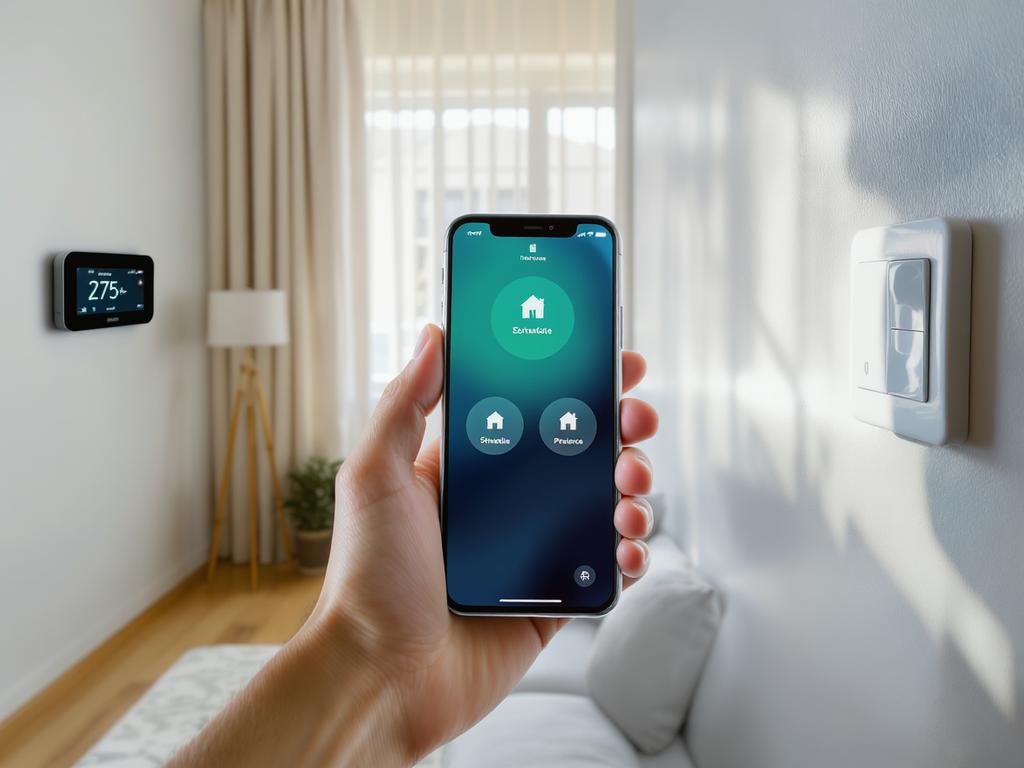
Smart home automation is most effective when it works quietly in the background—keeping your home comfortable while reducing unnecessary energy use. In Oxnard, where days can shift from cool mornings to warmer afternoons, combining schedule-based routines with presence detection is one of the simplest ways to save money without feeling like you’re “living by rules.” Schedule automation sets predictable actions at specific times: lights dim at bedtime, the thermostat adjusts before you wake up, and outdoor lighting follows sunset. Presence automation adds flexibility by reacting to real life. Using occupancy sensors, door sensors, or phone geofencing, your home can tell whether someone is actually there and adapt instantly. A practical example: set your thermostat to eco mode on weekdays from 9 a.m. to 4 p.m., but only if the house is empty. If someone stays home, the system keeps comfort settings. The same approach works for lighting—turn off forgotten lights when rooms are vacant, while maintaining hallway night lights for safe movement. To get reliable results, focus on a few core devices: a smart thermostat, motion/occupancy sensors in key rooms, smart switches (instead of bulbs) for main lights, and smart plugs for small appliances. Start with two or three routines, test for a week, then refine timing, sensor sensitivity, and exceptions (like guest mode or pet-friendly settings). The goal isn’t maximum automation—it’s fewer manual adjustments, lower bills, and a home that feels responsive. With schedule plus presence logic, your smart home delivers savings without sacrificing comfort.