-
New York, NY
 HI 58° LO 56°
 HI 58° LO 56°
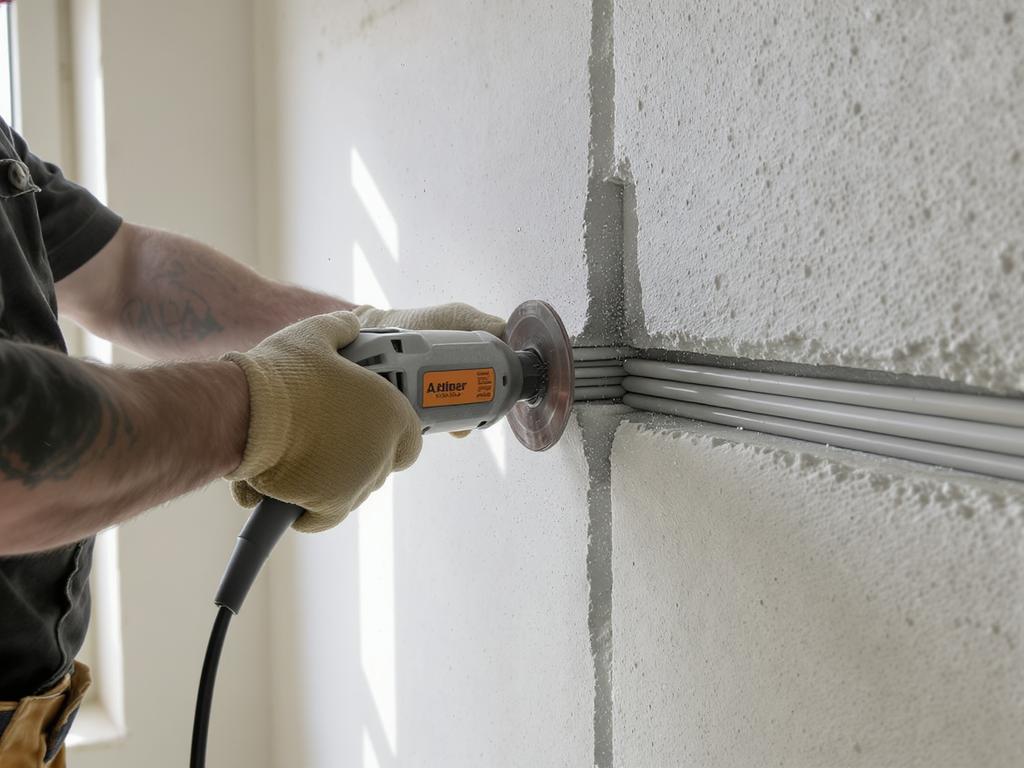
Rough-in works for engineering systems are the hidden foundation of a reliable renovation. Before finishing starts, the space must be prepared for electrical, plumbing, ventilation, low-voltage, and heating routes. The goal is simple: create accurate paths and mounting points so that later installation is fast, safe, and doesn’t damage finished surfaces. Wall chases (often called “shtroby”) are grooves cut in brick, block, or plaster to lay cables and pipes. They must follow the project layout, keep safe distances from edges, openings, and load-bearing zones, and avoid excessive depth that weakens the wall. After routing, lines are fixed, protected where needed, and the chase is sealed with suitable repair compounds. Embedded parts include mounting plates, anchors, sleeves, and backing elements for heavy equipment: radiators, concealed mixers, distribution boxes, ventilation brackets, and sanitary frames. Installing these at the rough stage ensures correct elevations and clearances, prevents vibration and sagging, and provides a solid base under tiles or drywall. Penetrations (through walls, floors, and slabs) are made for risers, ducts, and cable bundles. Each opening must be sized correctly, sleeved to isolate movement, and sealed with appropriate materials: waterproofing in wet zones, sound insulation where required, and firestop solutions in fire-rated assemblies. Proper marking, dust control, and on-site verification (photos, measurements, and as-built notes) help avoid clashes and costly rework. When chases, embedded parts, and penetrations are executed according to design and codes, engineering systems work quietly, safely, and serviceably for years—while the final finish stays intact.