
-
New York, NY
 HI 58° LO 56°
 HI 58° LO 56°
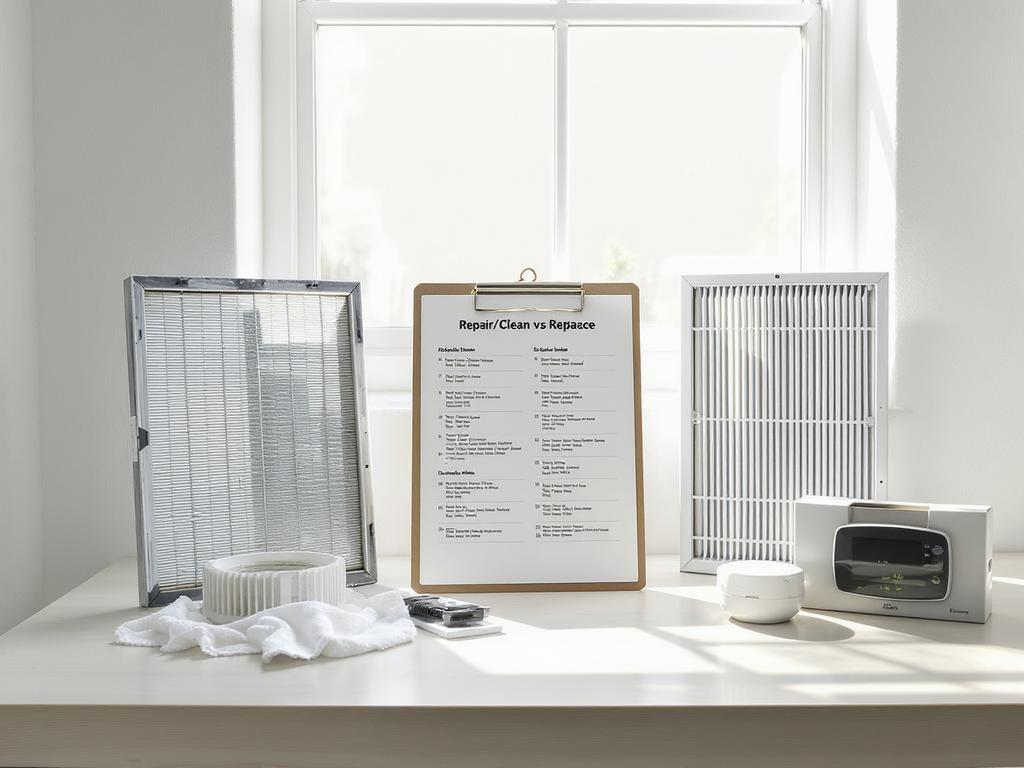
Energy bills rarely spike “for no reason.” In many Oxnard homes and businesses, the real cause is equipment that’s dirty, worn, or operating outside its design range. The best cost-saving move isn’t always replacement—sometimes a targeted cleaning or repair restores performance fast. The key is knowing when each option delivers the lowest total cost. Cleaning is usually the most profitable first step when the unit is otherwise healthy: coils covered in dust or salt-air residue, clogged filters, blocked vents, dirty burners, and scale buildup can raise power consumption and reduce airflow or heat transfer. If the system starts and runs normally but struggles to keep temperature, runs longer than before, or produces uneven comfort, a professional cleaning and tune-up often improves efficiency immediately. Repair makes sense when the core equipment still has useful life and the fix is contained. Examples include replacing capacitors, contactors, sensors, belts, bearings, small leaks, or recalibrating controls. A good rule: if the repair cost is modest and restores reliable operation without recurring failures, repairing is typically the better ROI. Replacement becomes the smart financial choice when repairs are frequent, parts are obsolete, efficiency is far below modern standards, or the unit is near end-of-life. If your equipment is 10–15+ years old (varies by type and usage), needs major components (compressor, heat exchanger, motor), or cannot meet comfort demands without running constantly, a high-efficiency replacement can cut operating costs and reduce downtime. For a clear decision, compare: current energy use, expected savings after cleaning/repair, estimated remaining service life, and the cost of repeated breakdowns. In Oxnard’s coastal conditions, regular maintenance helps prevent corrosion and buildup—often delaying replacement and keeping energy spending under control.